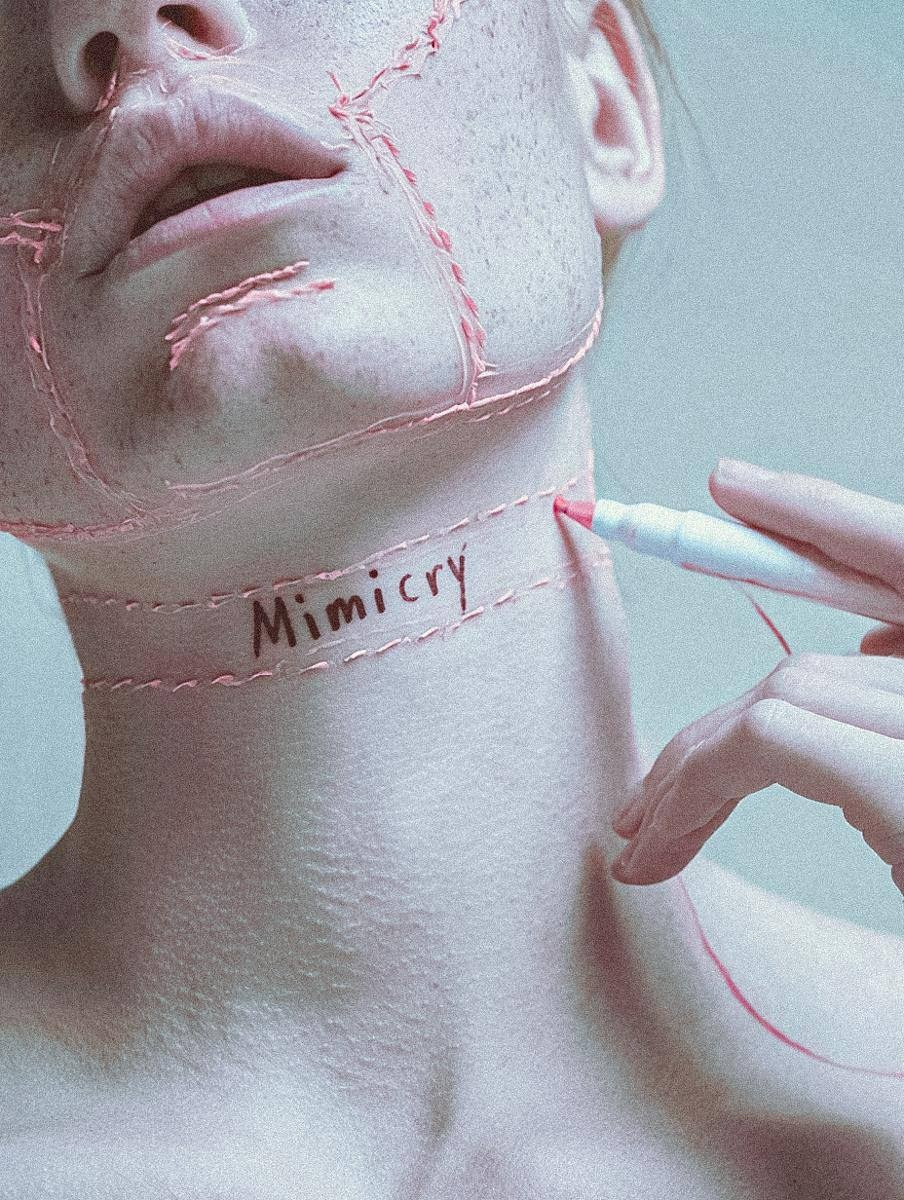
MIMICRY
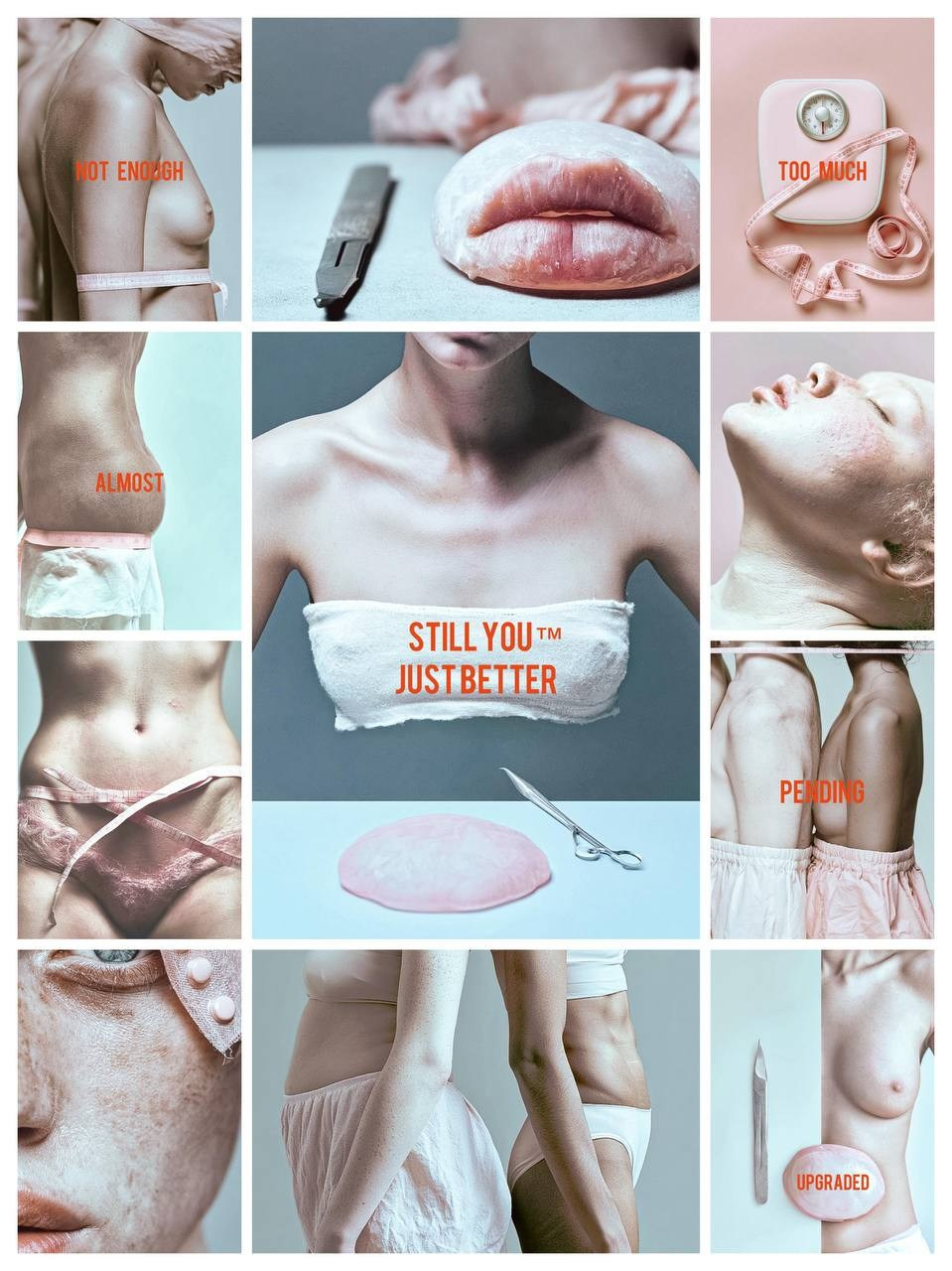
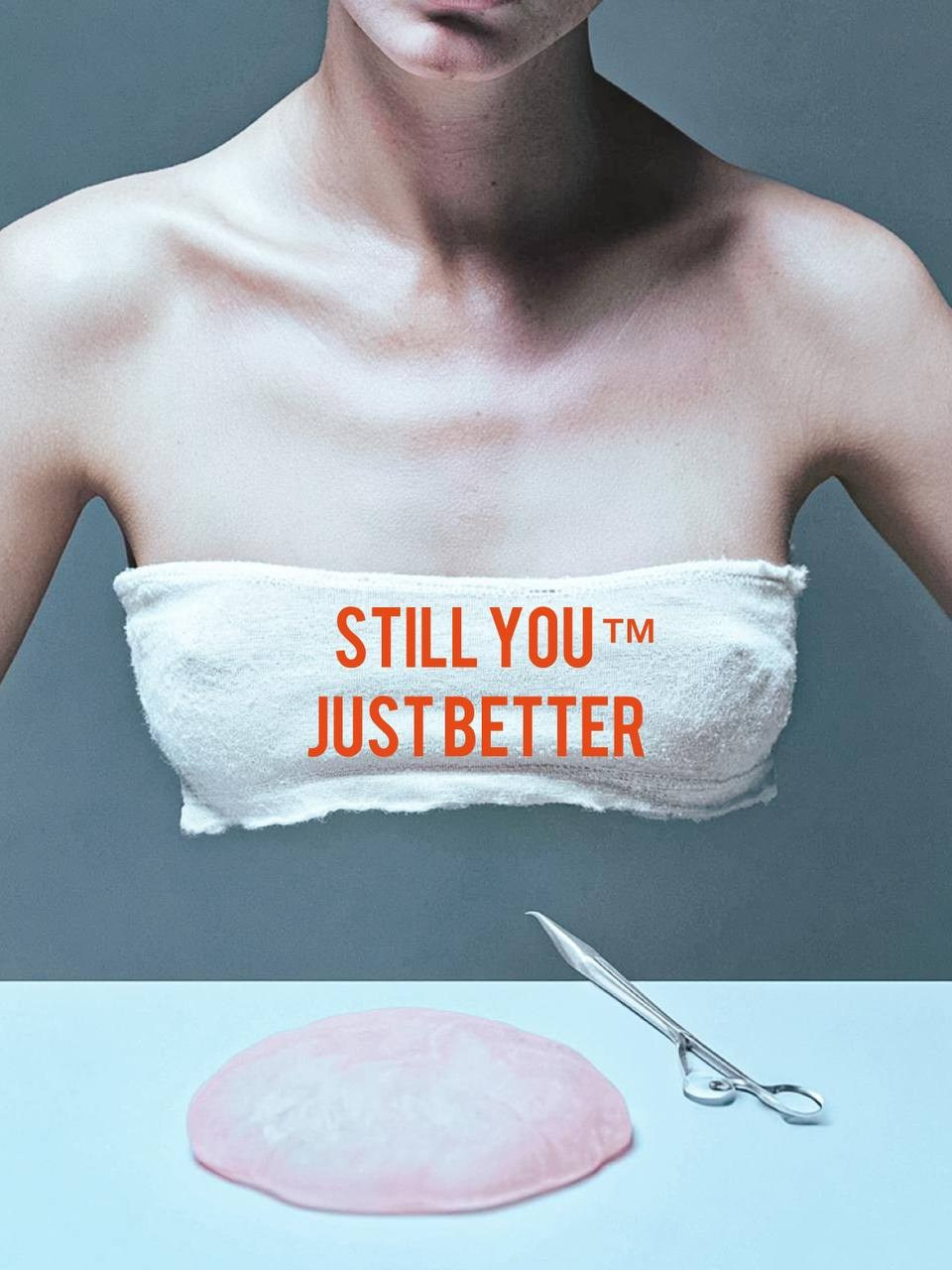
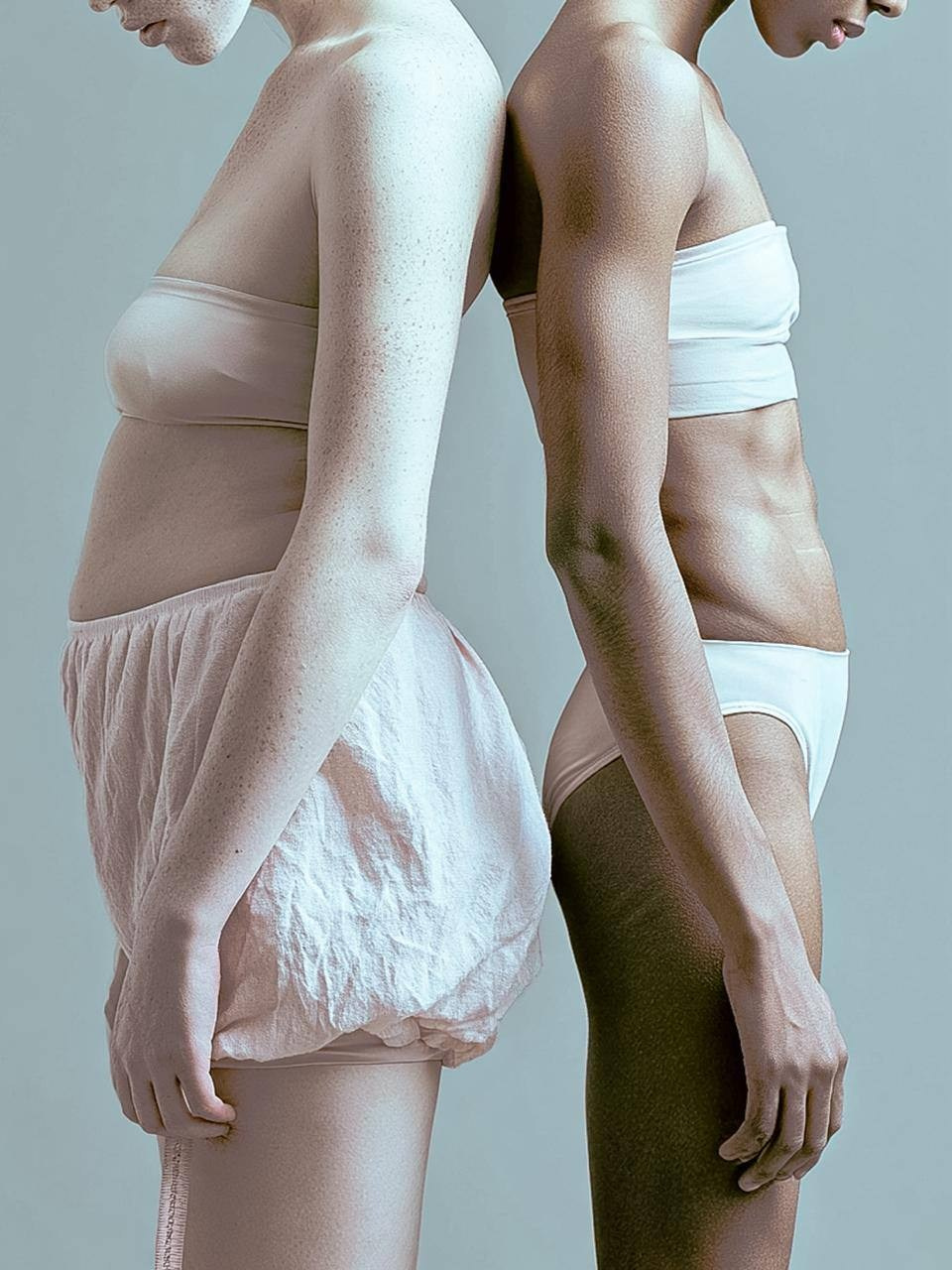
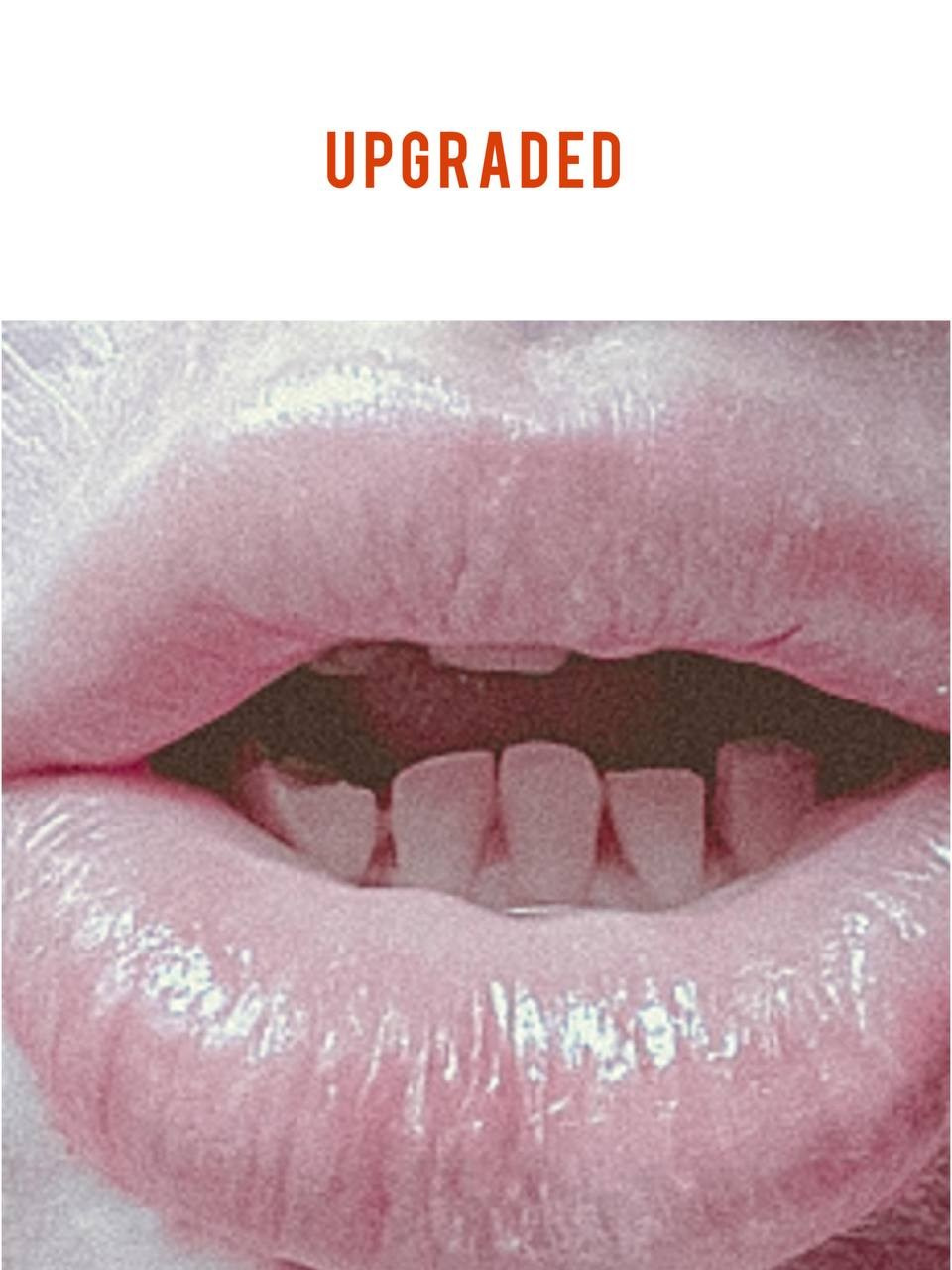
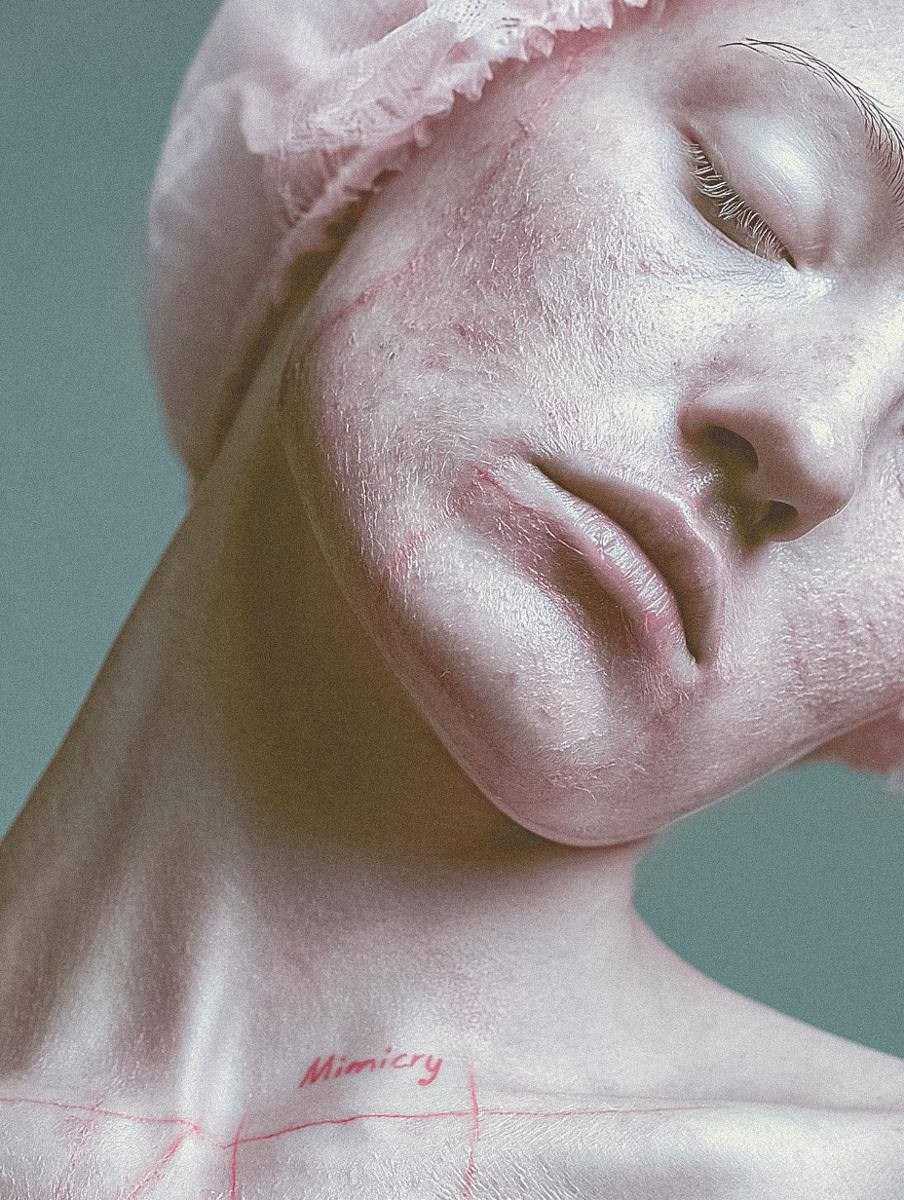
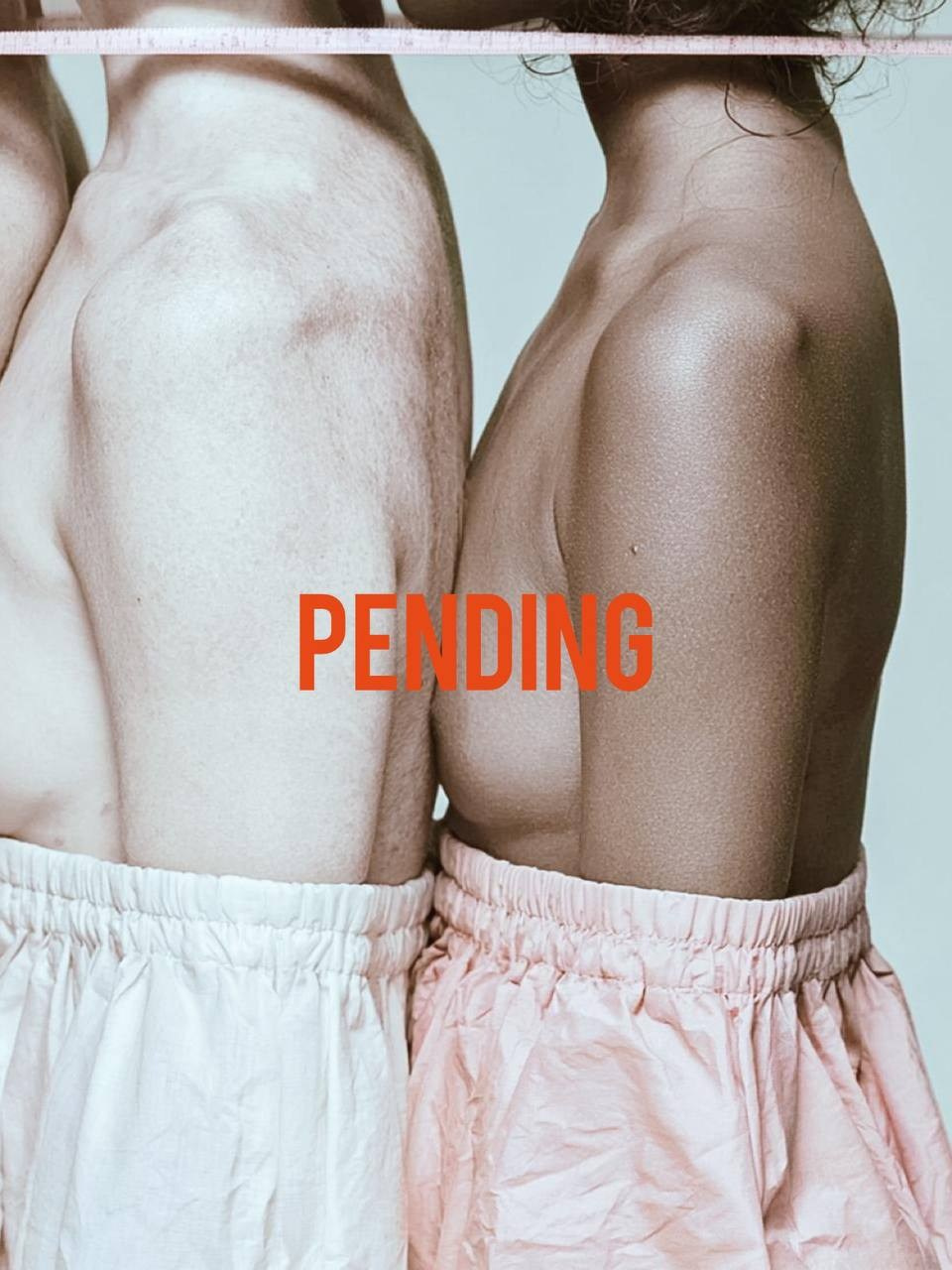
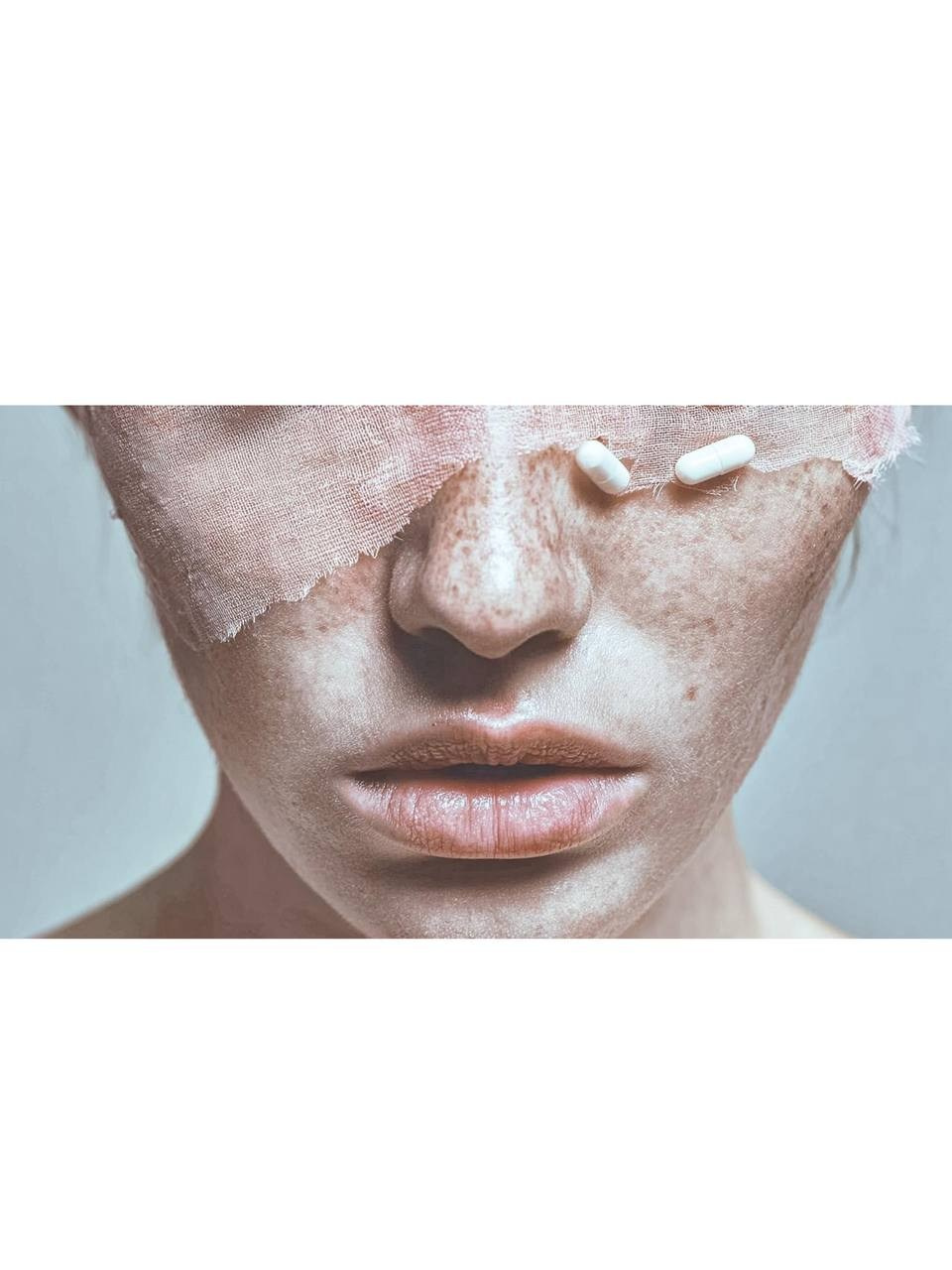
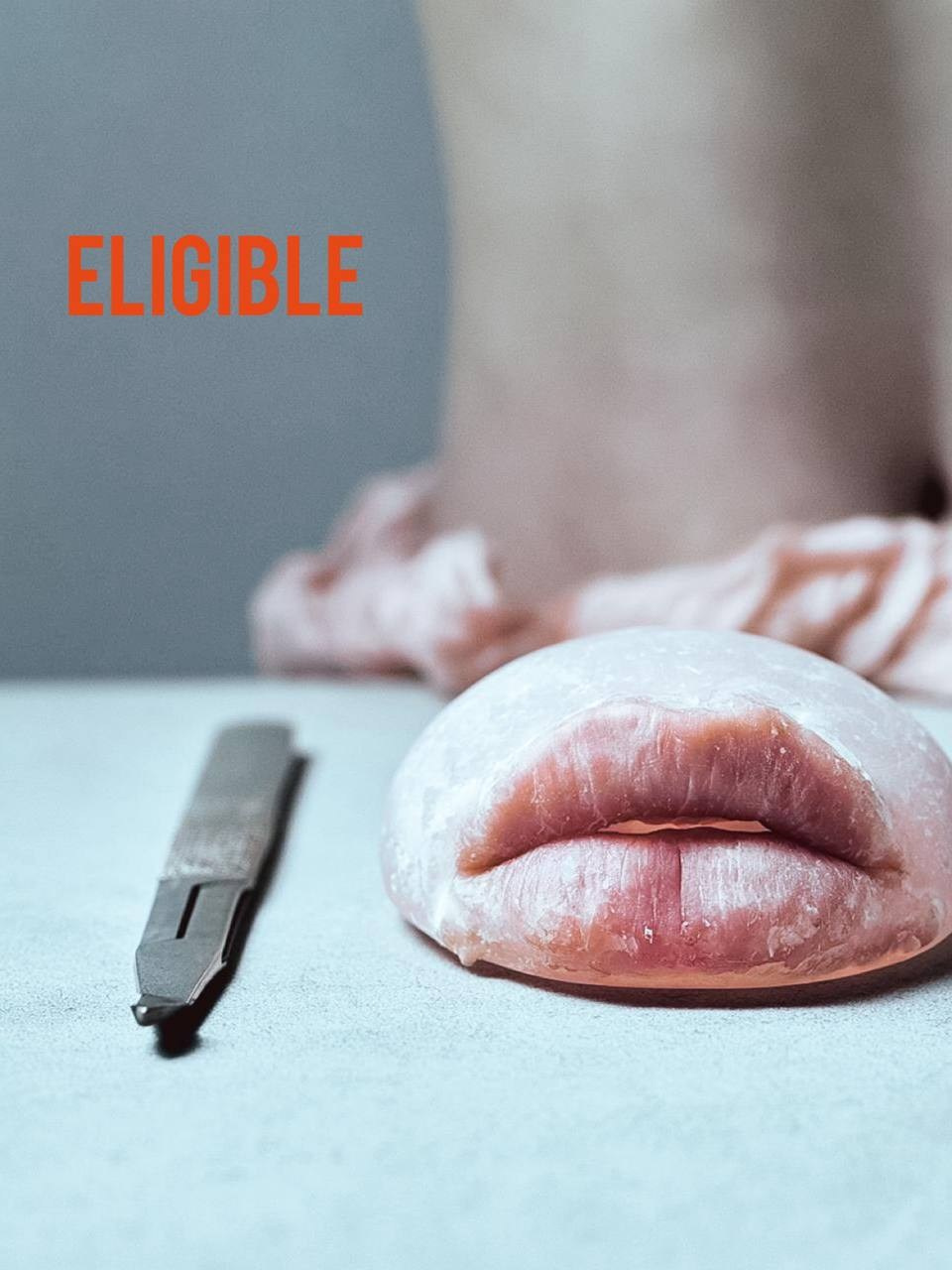
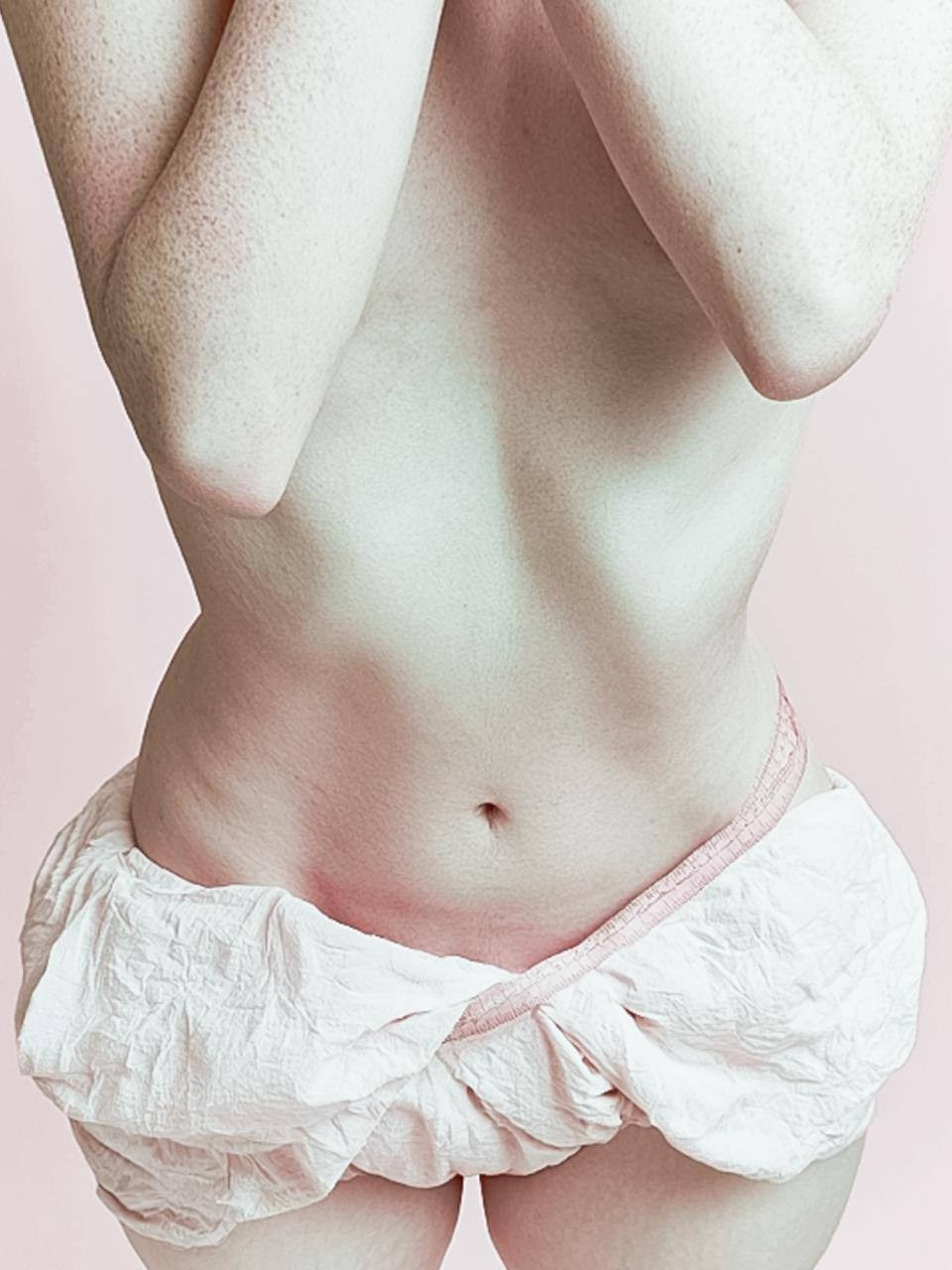
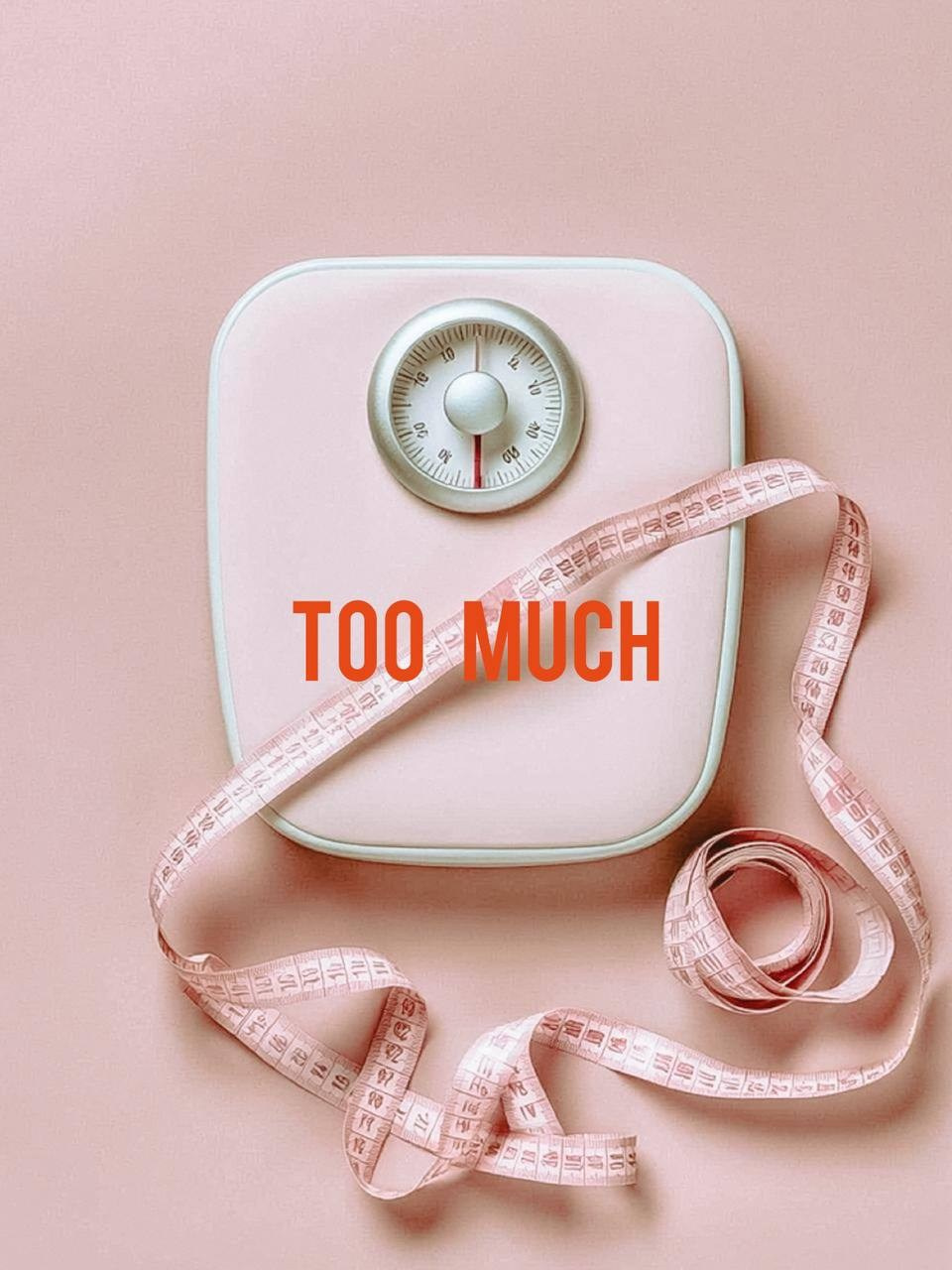
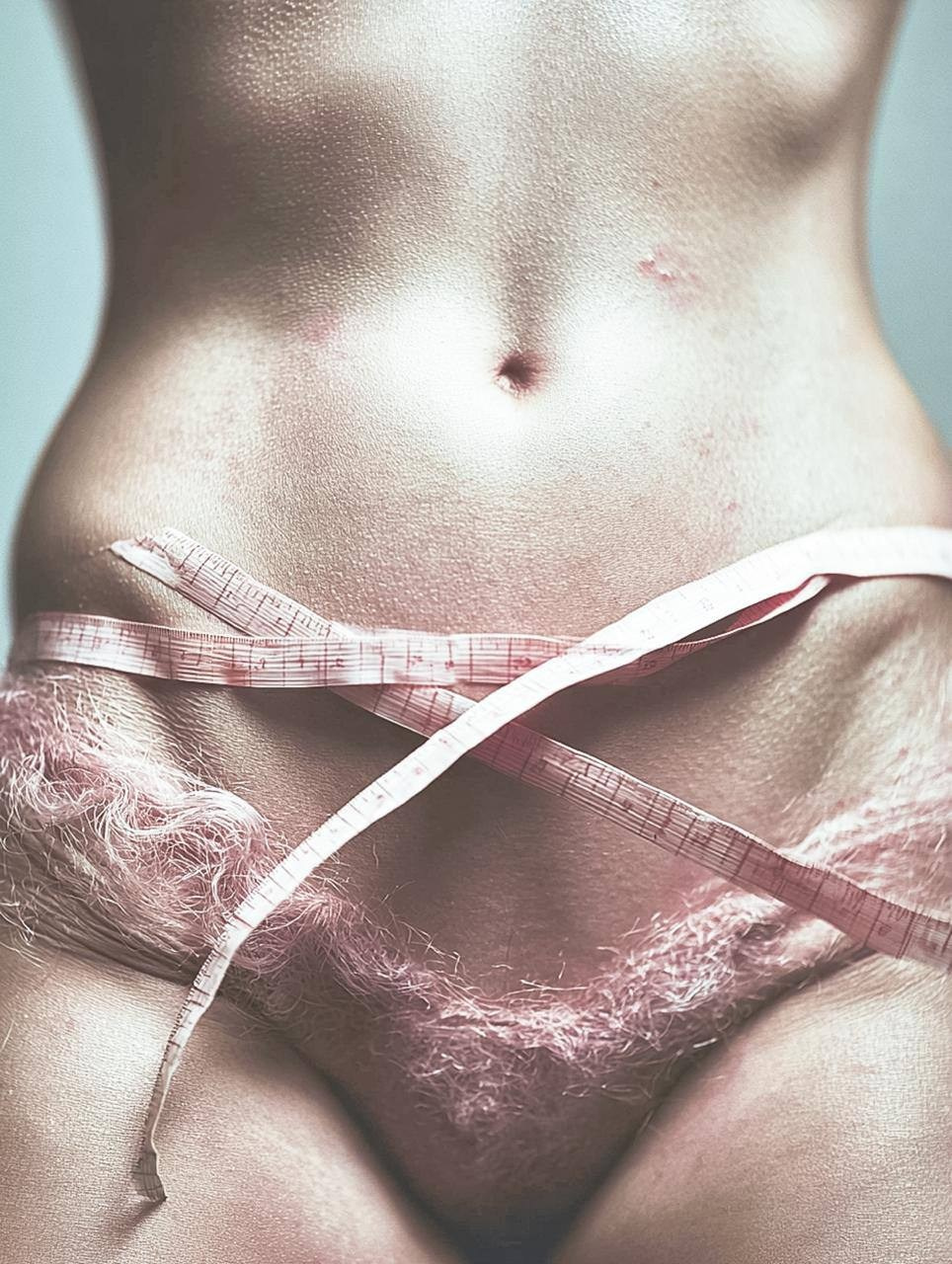
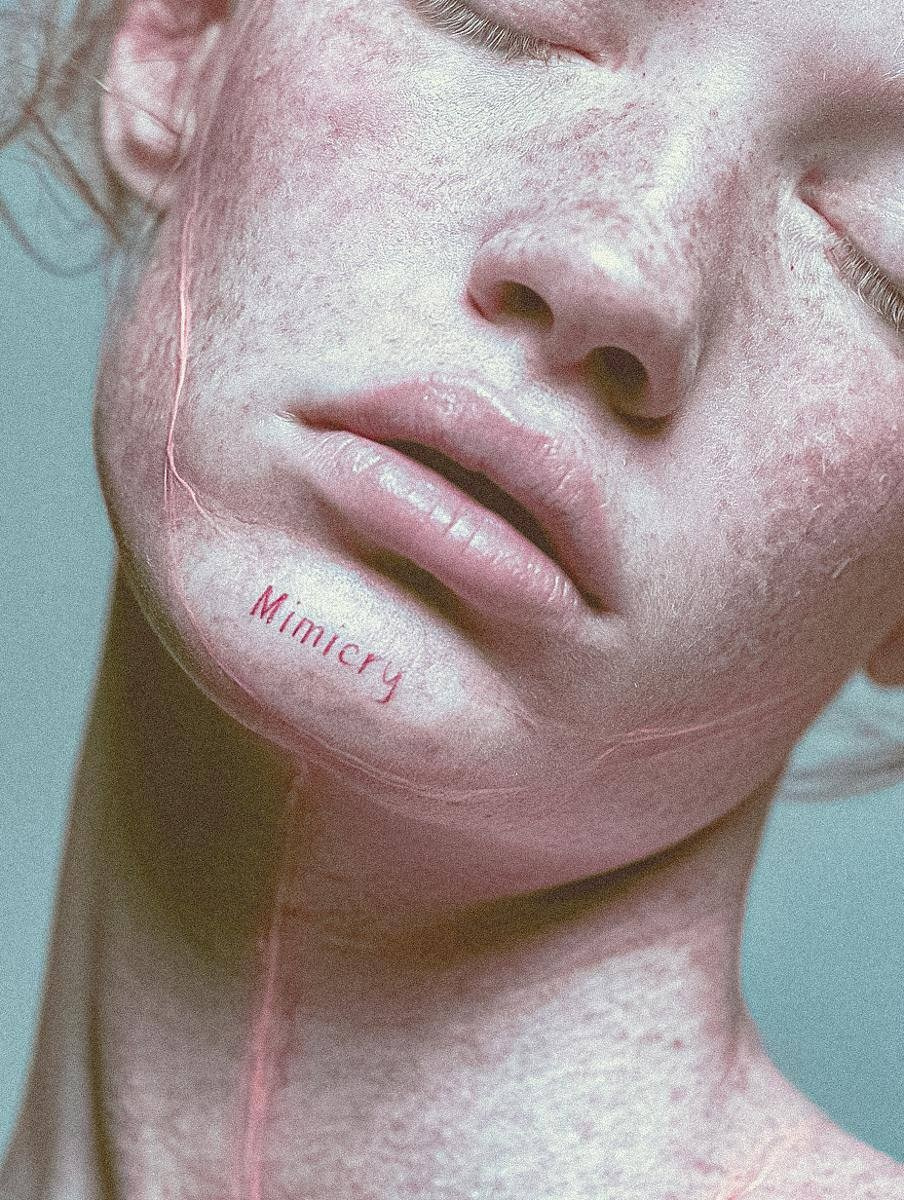
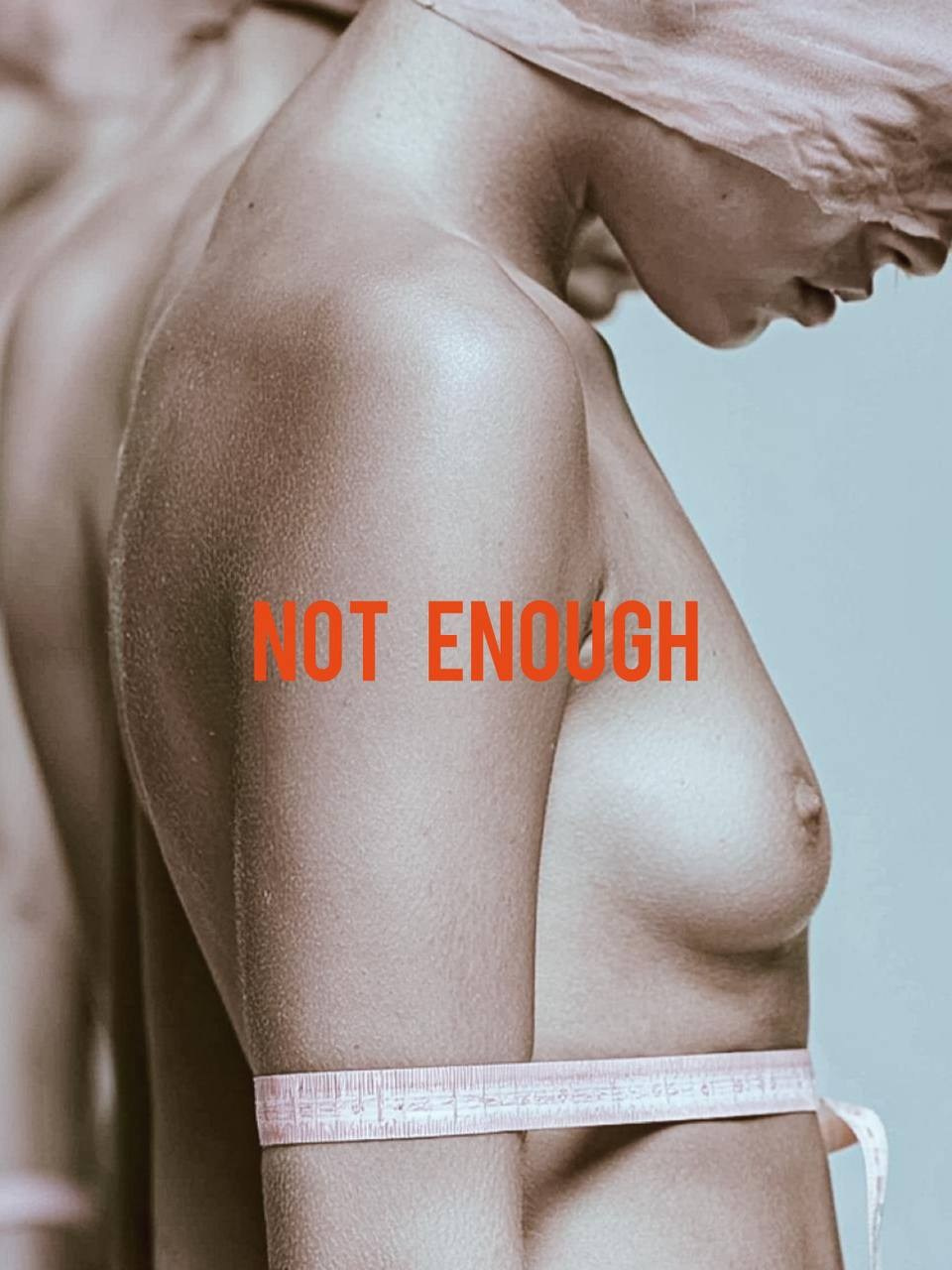
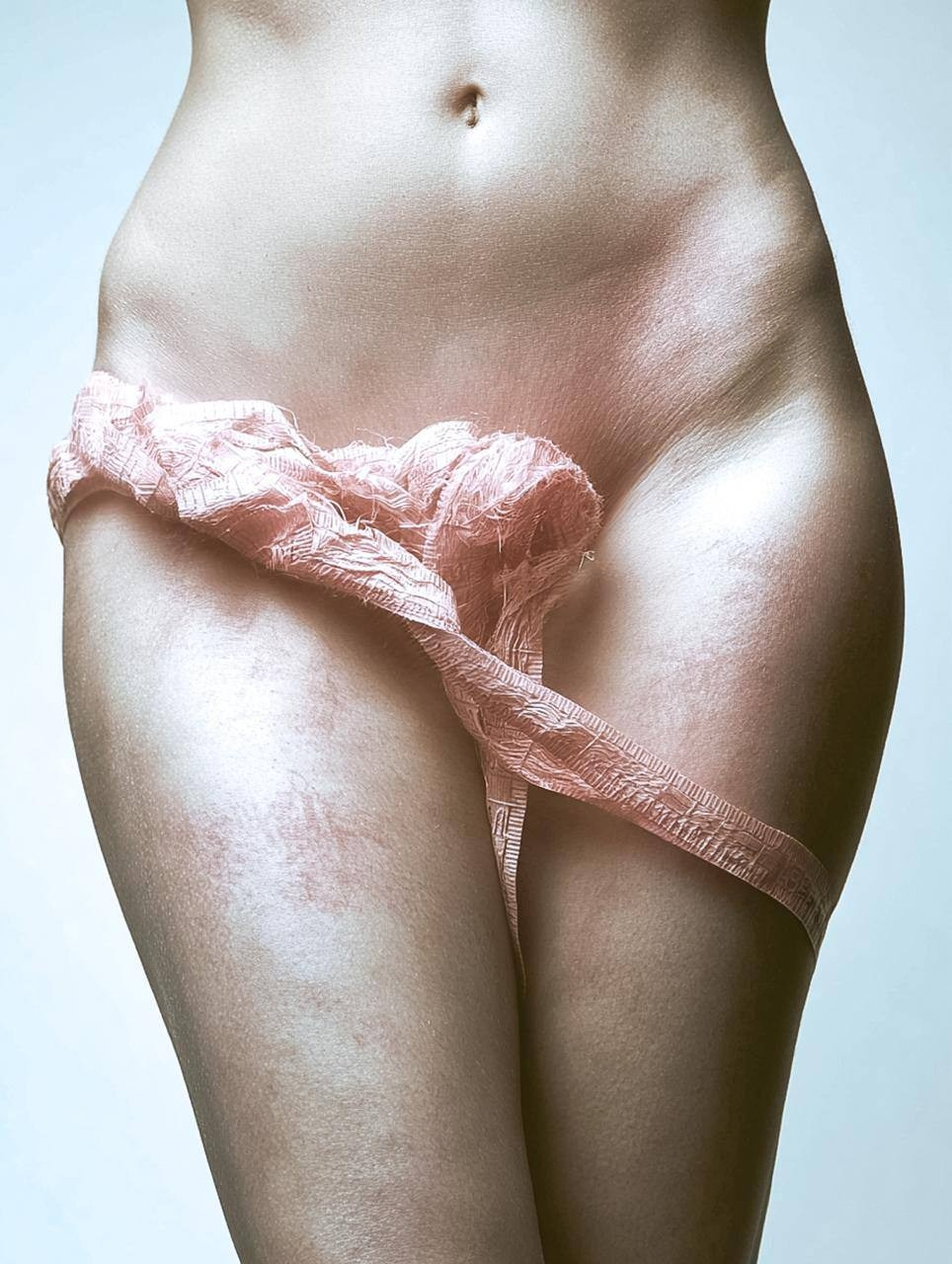
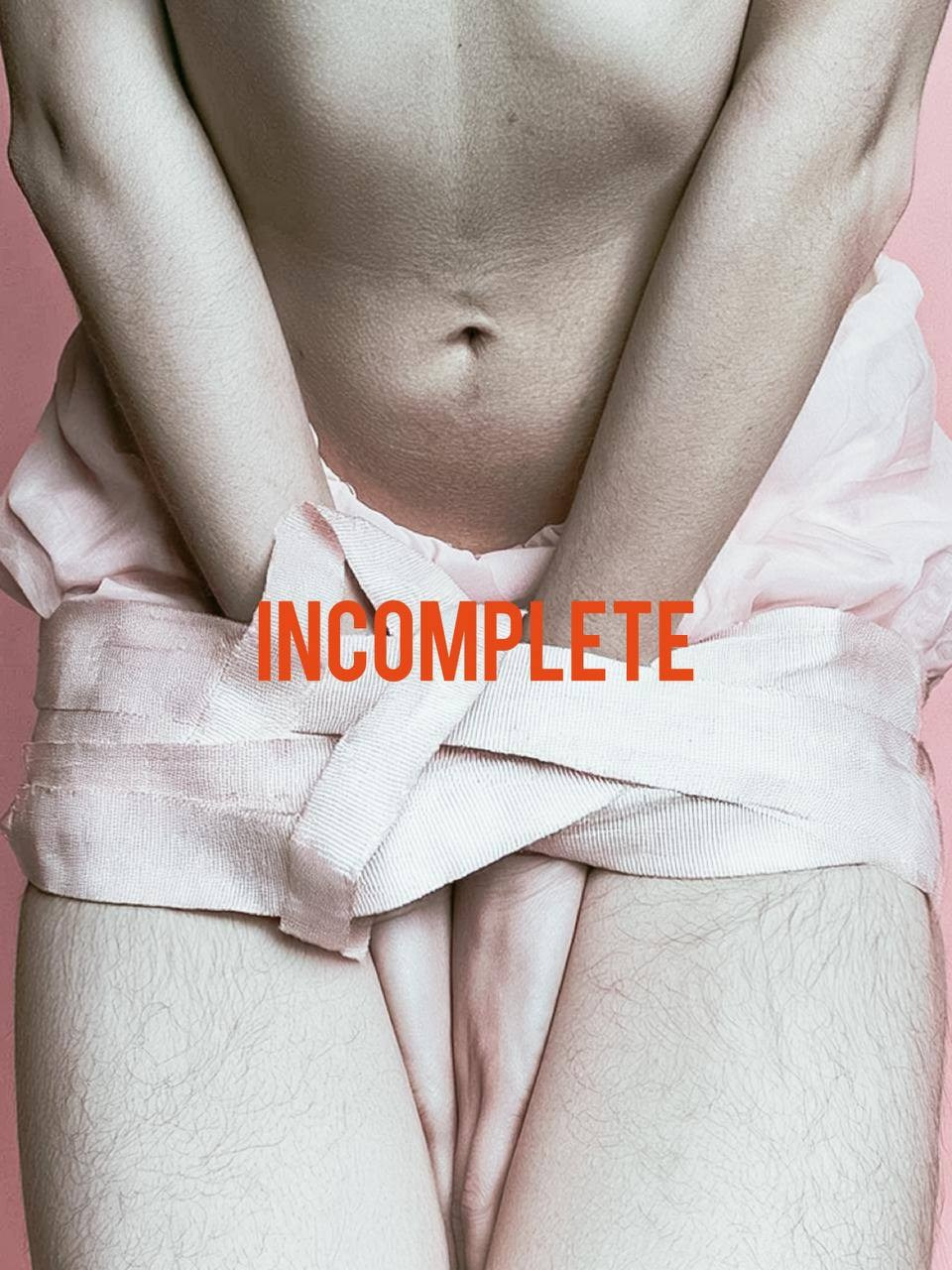
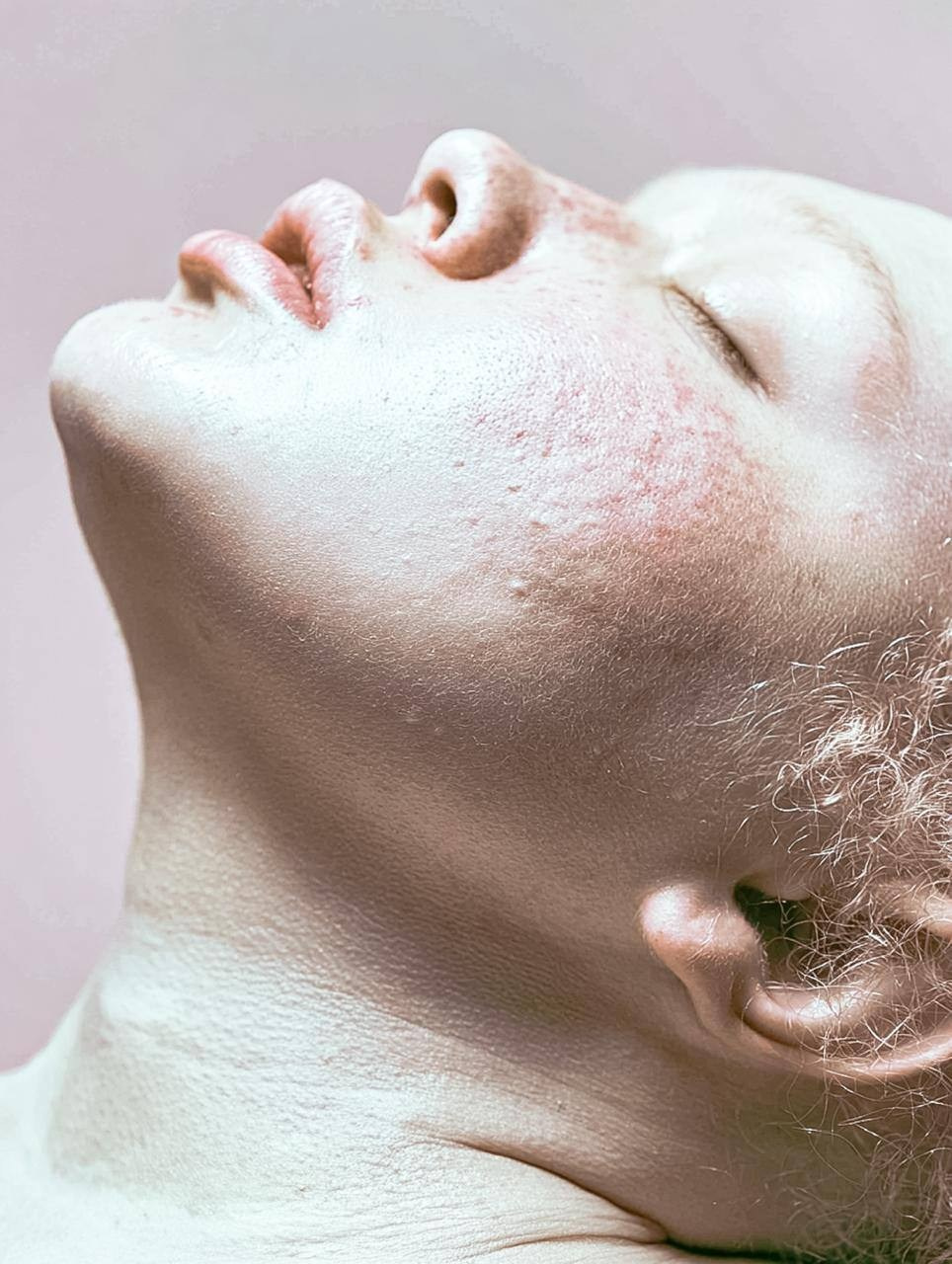
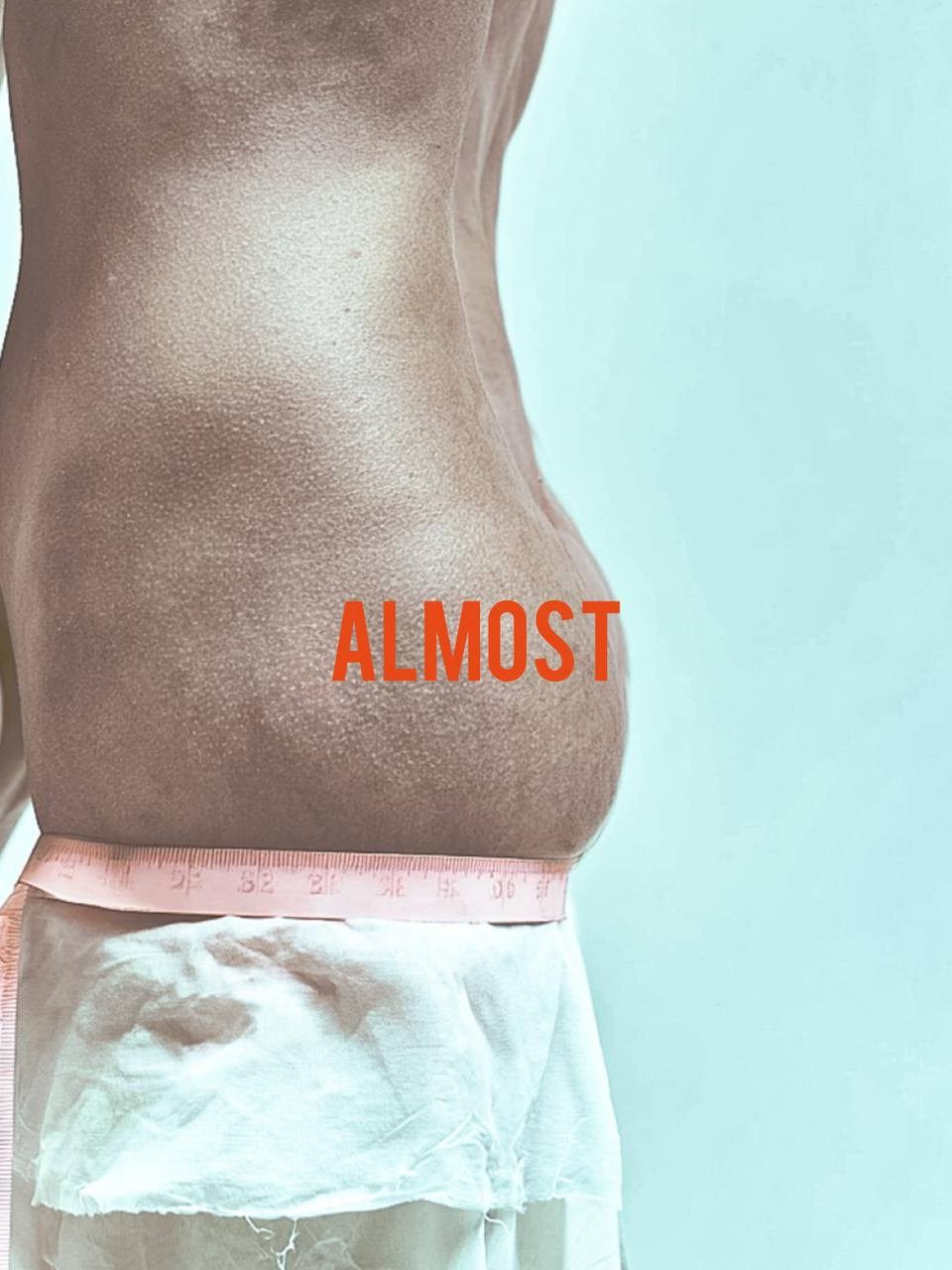
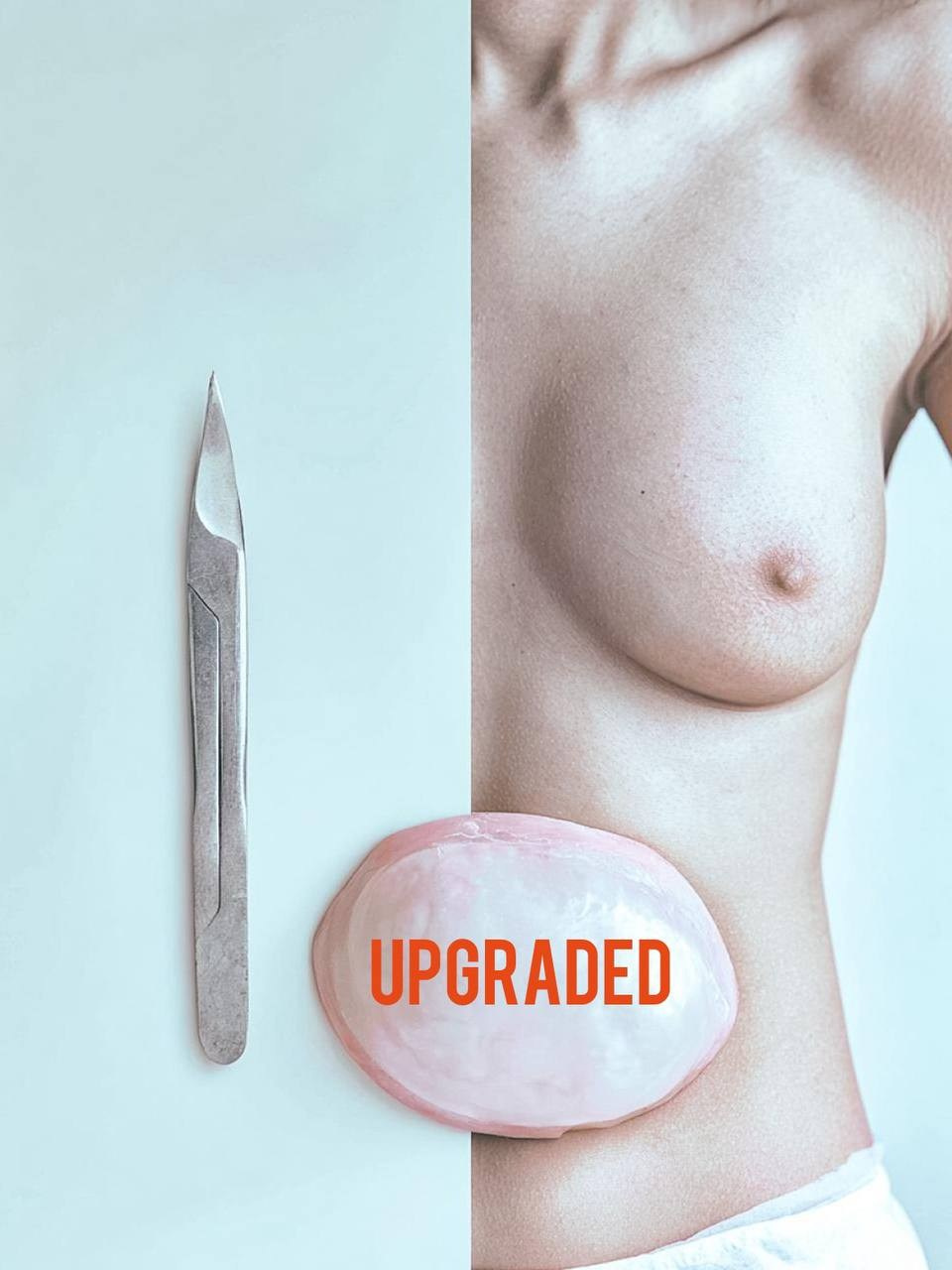
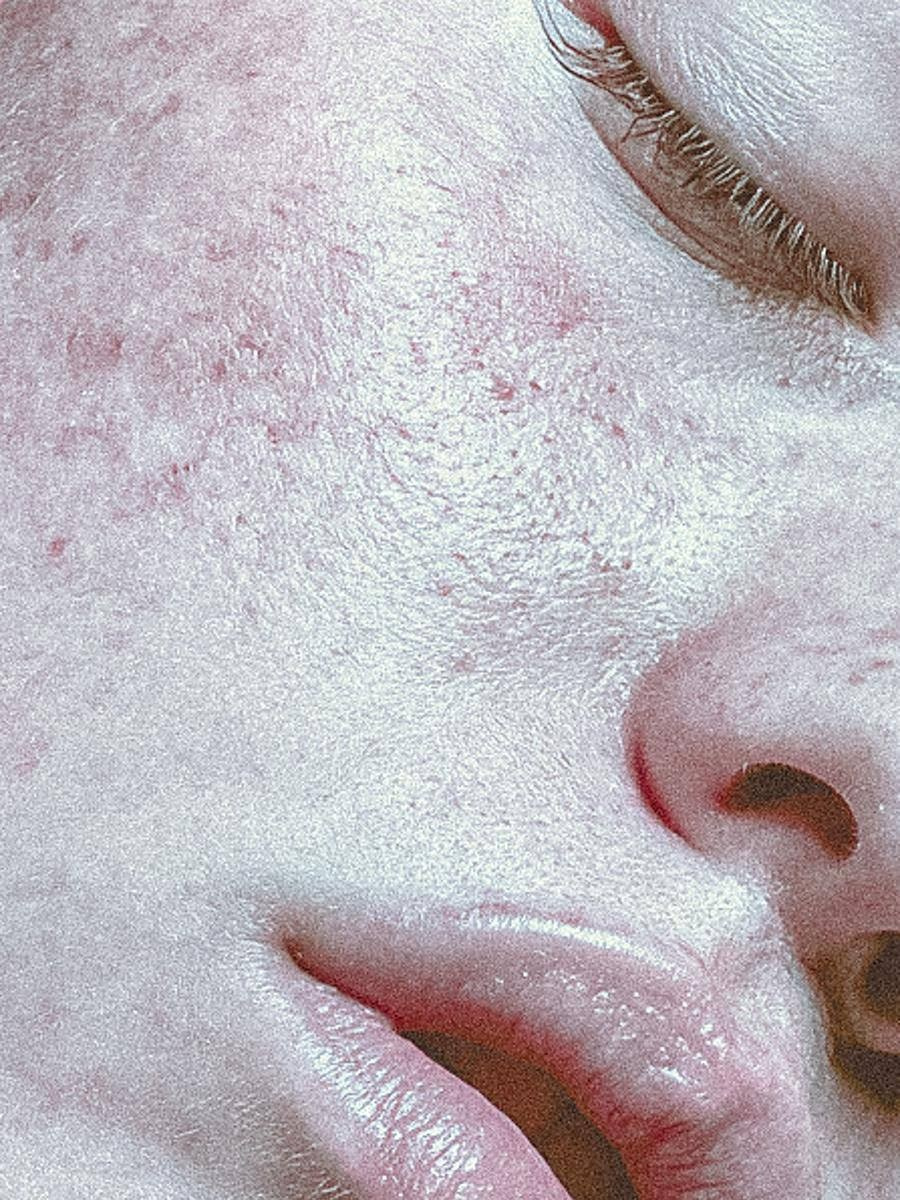
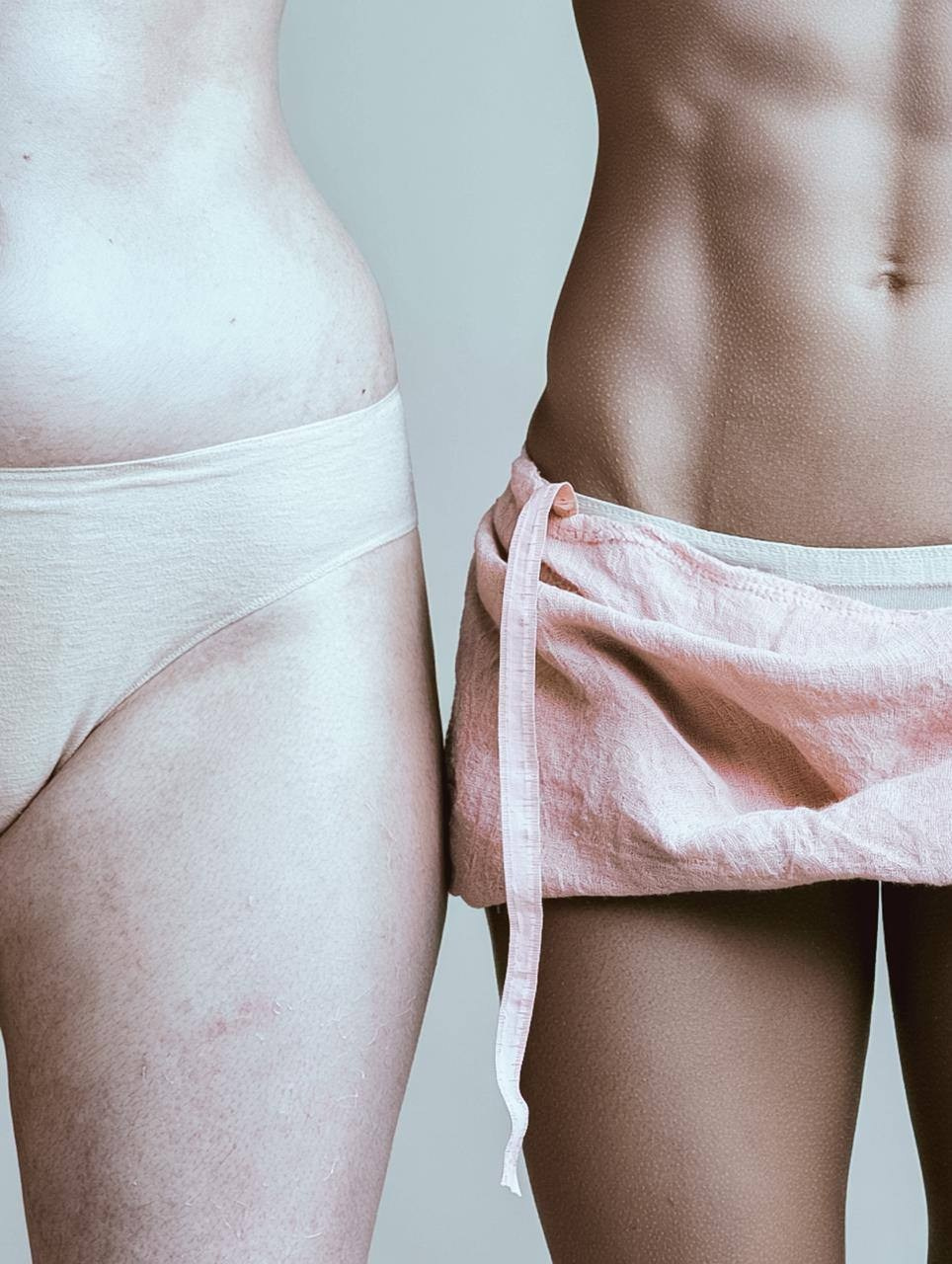
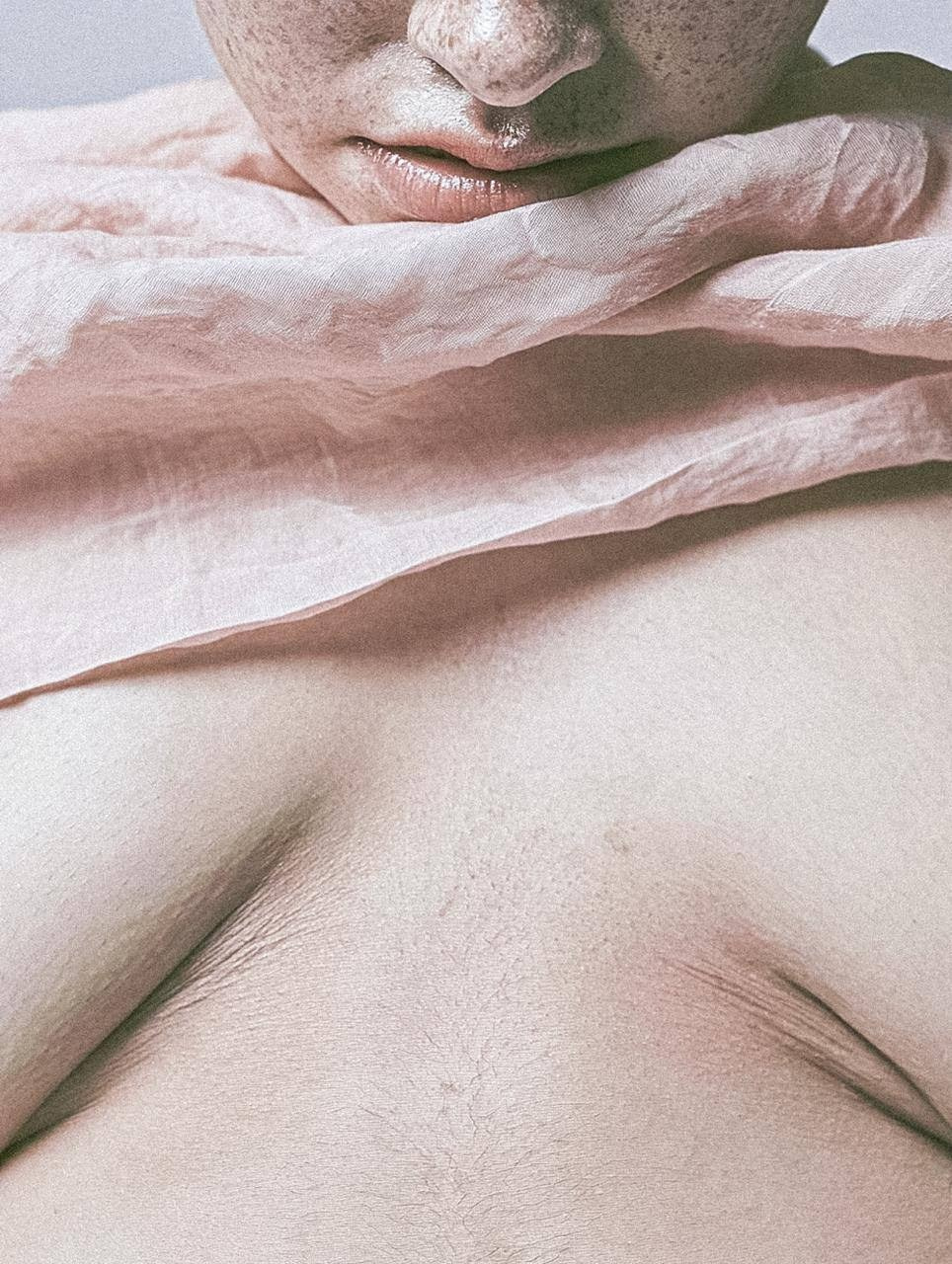
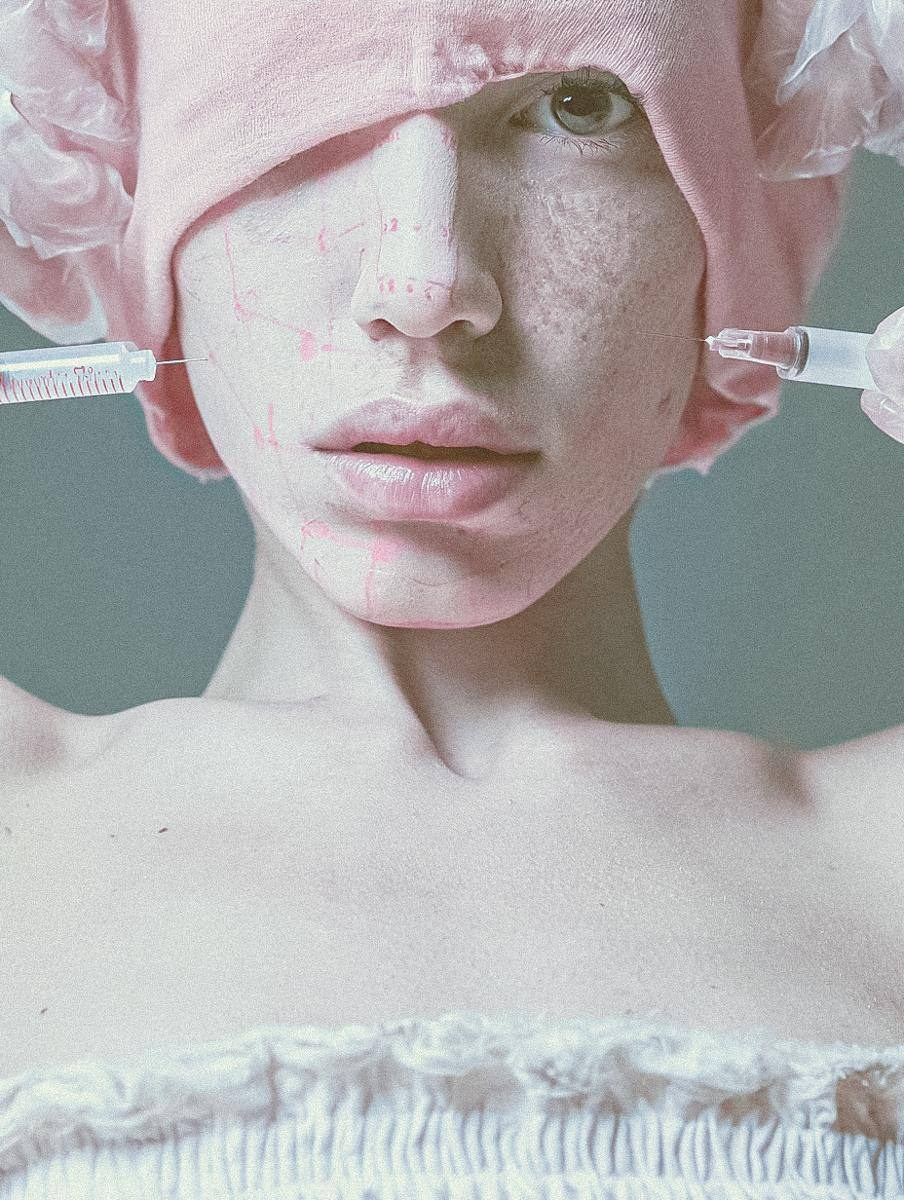
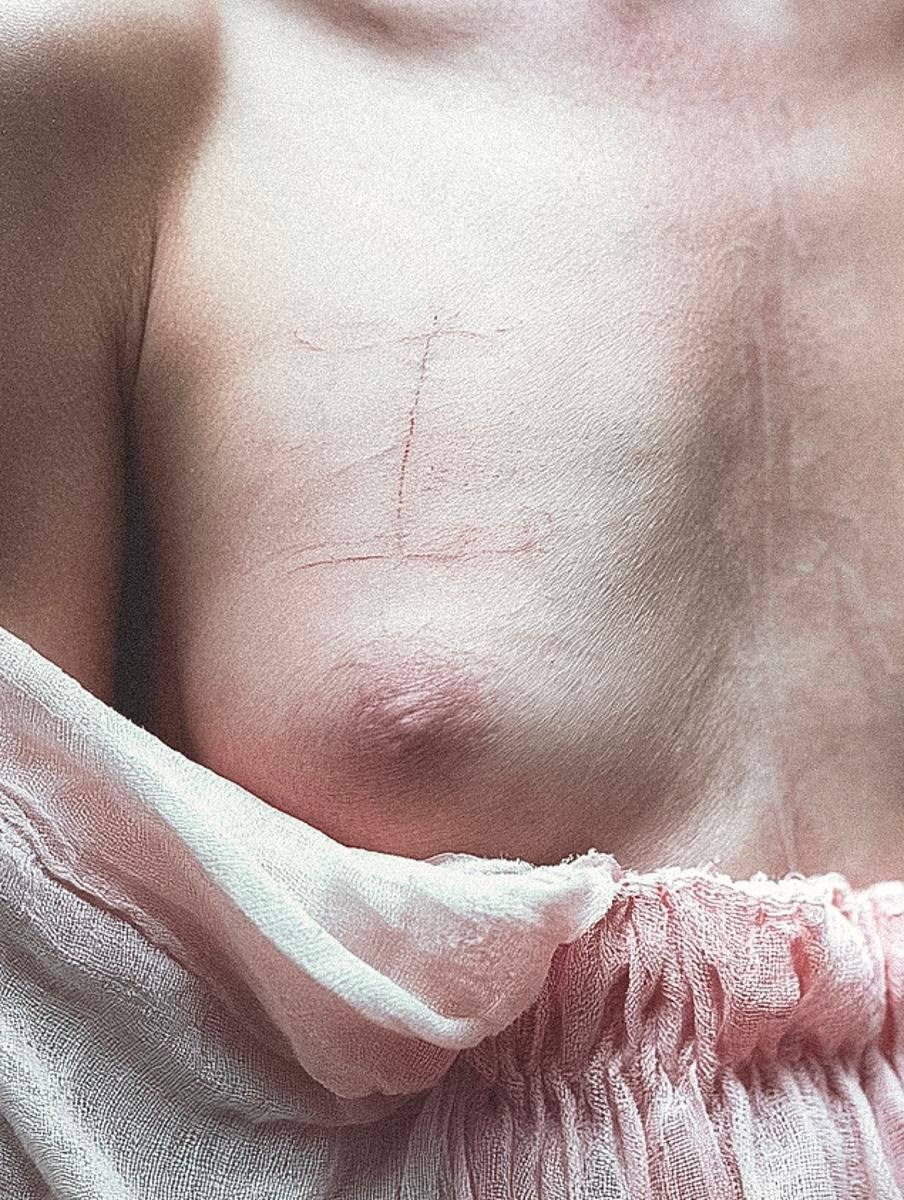
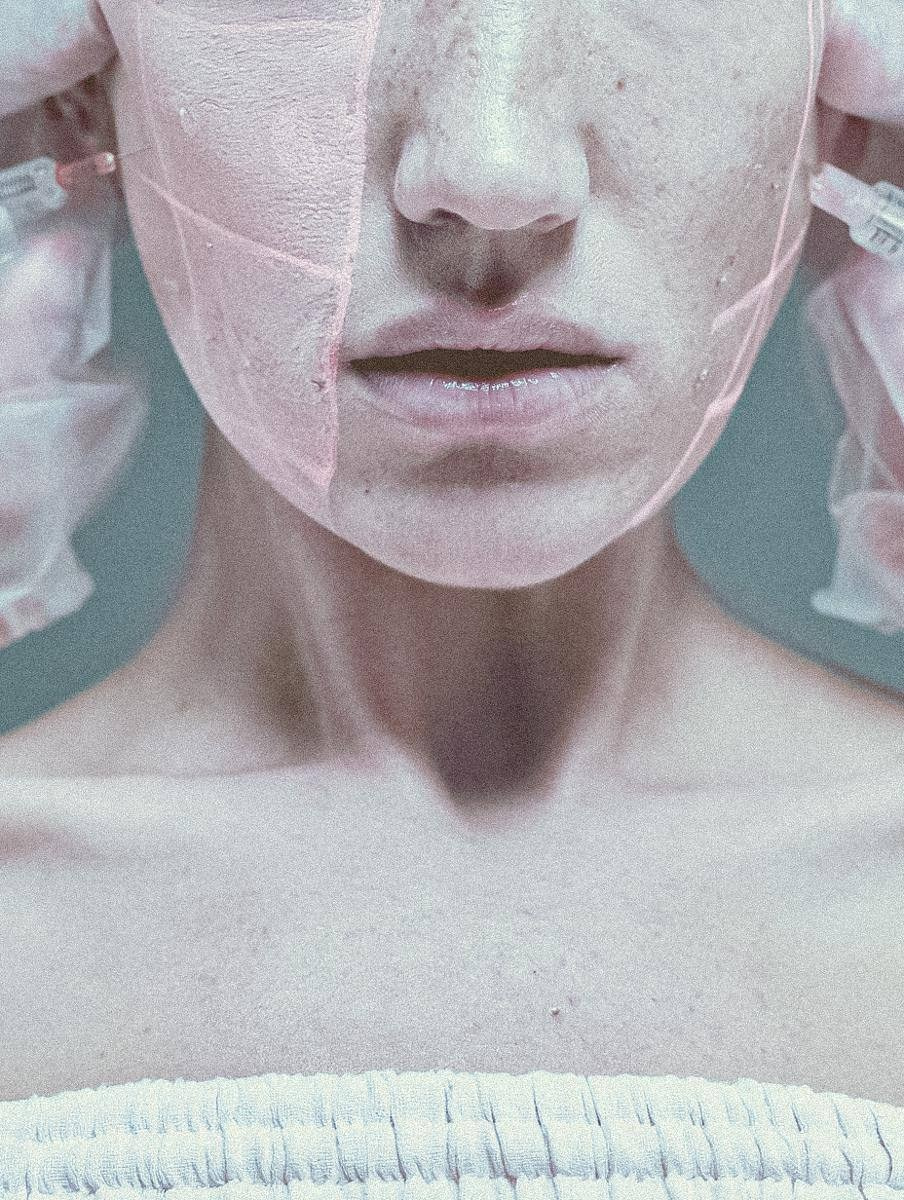
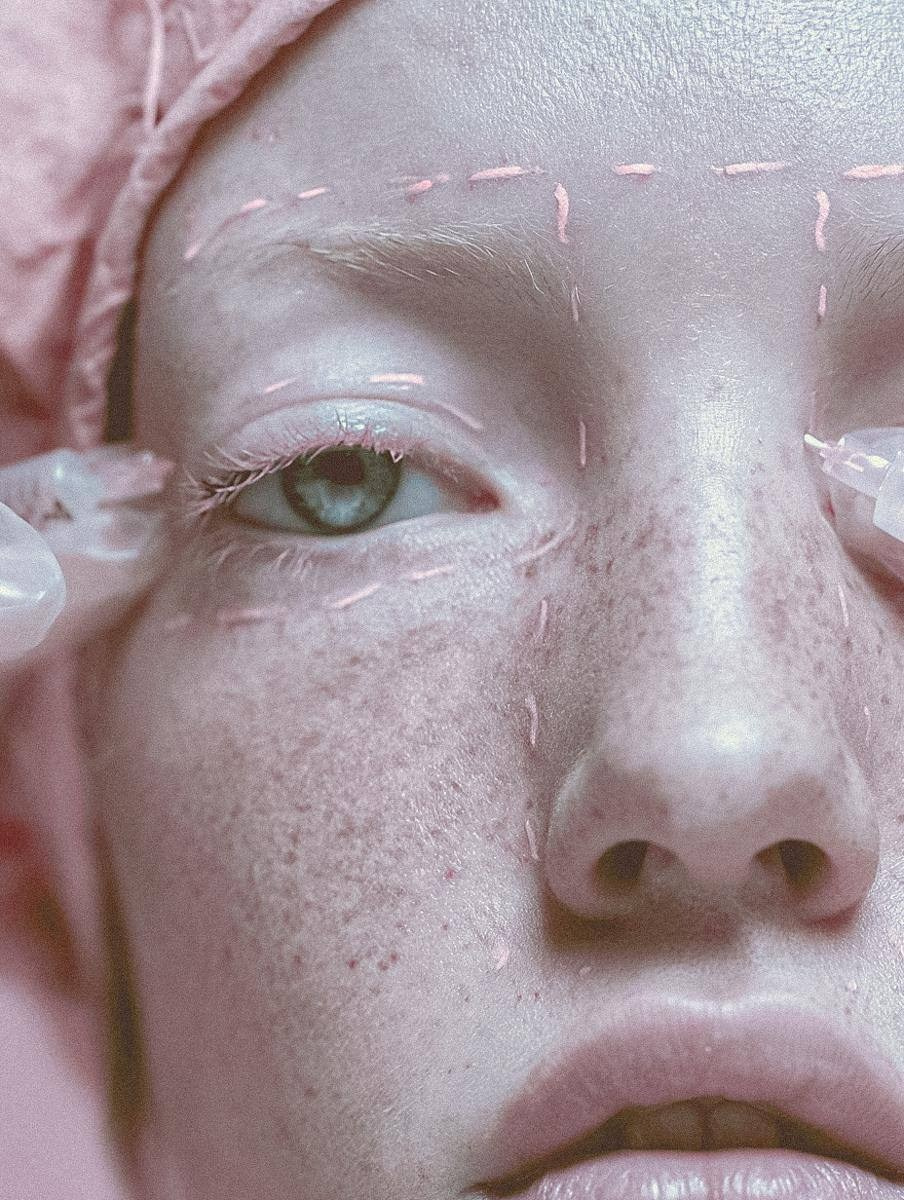
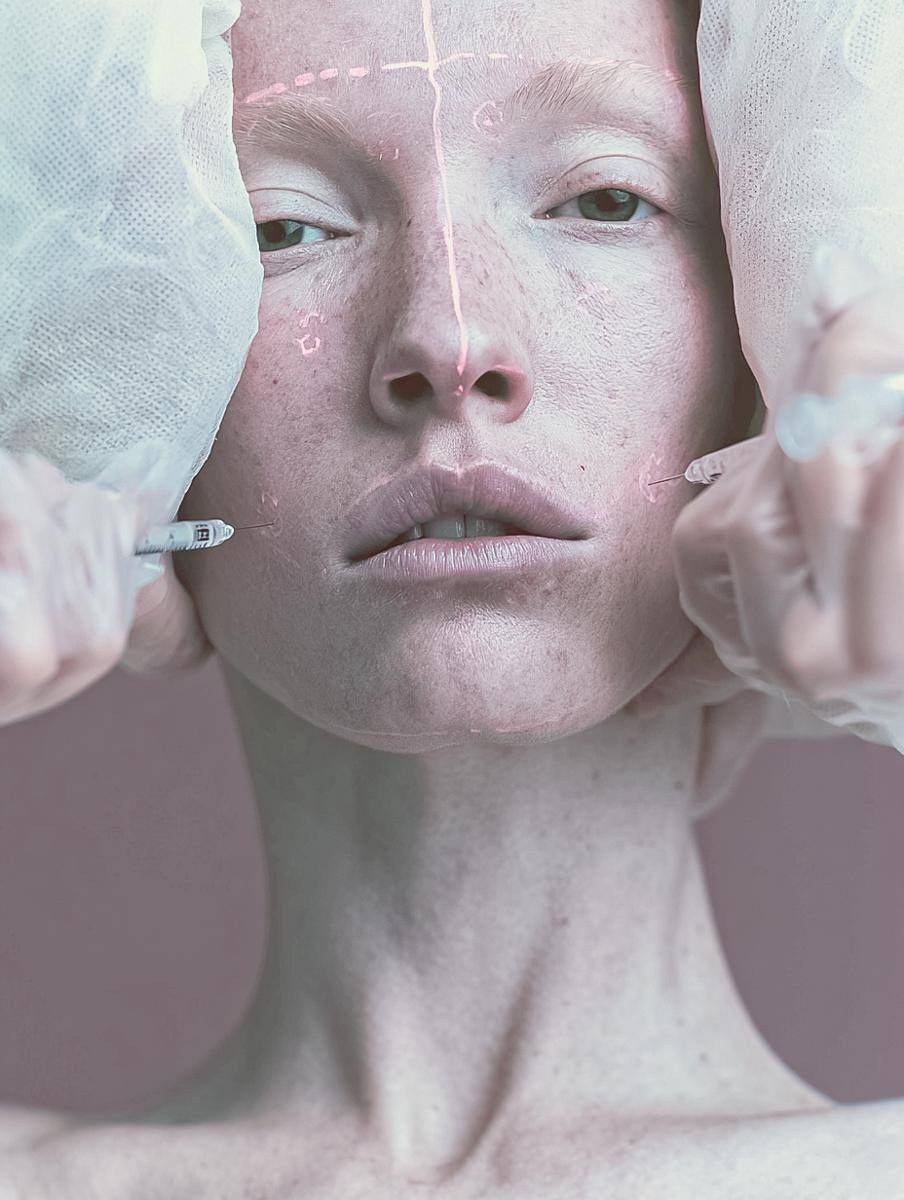
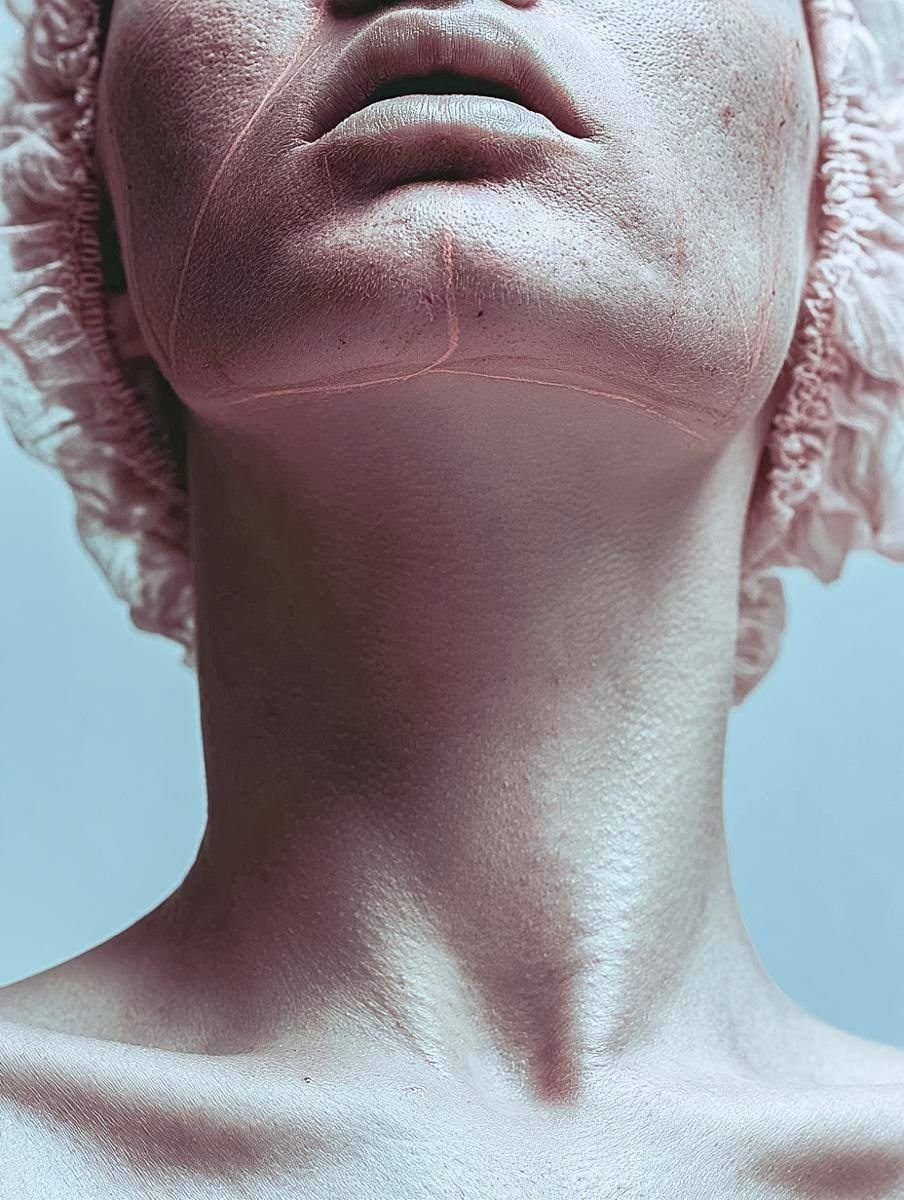
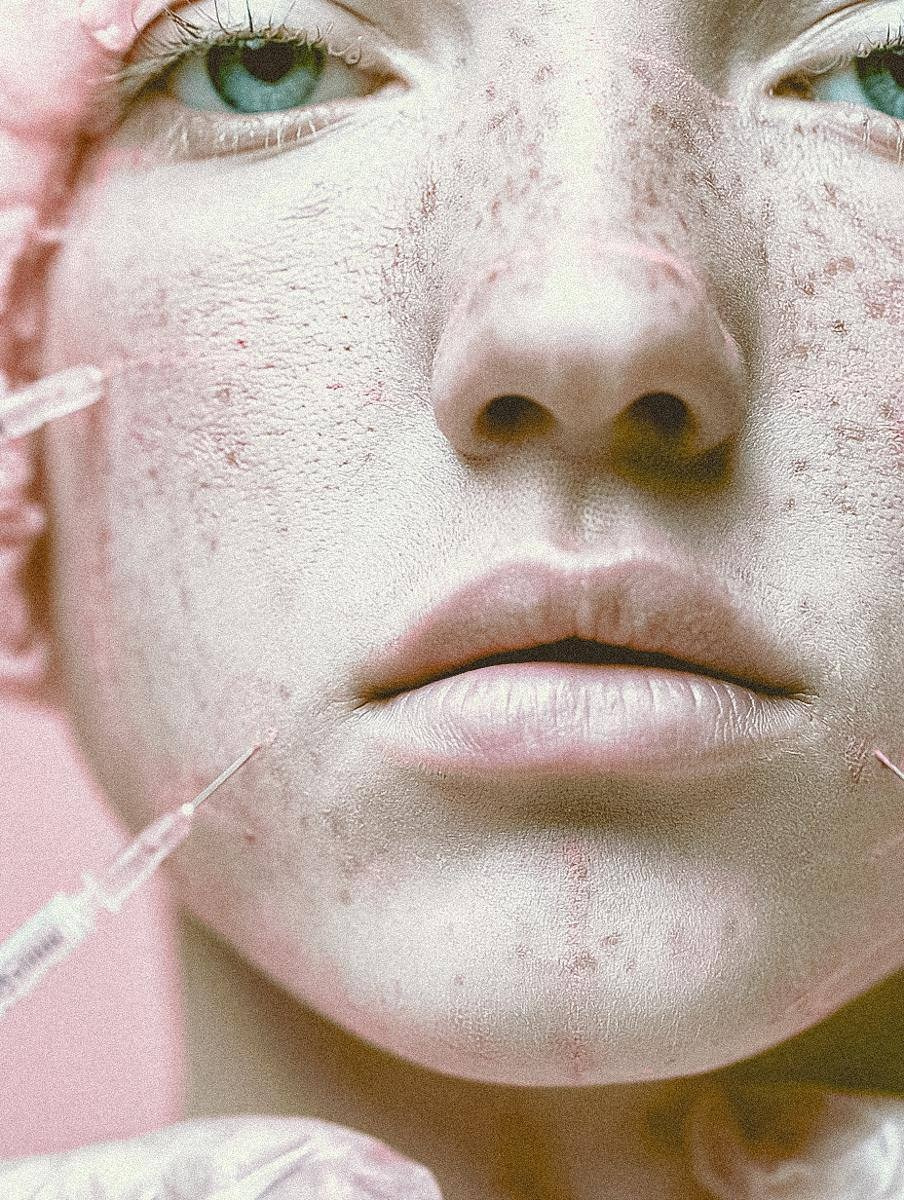
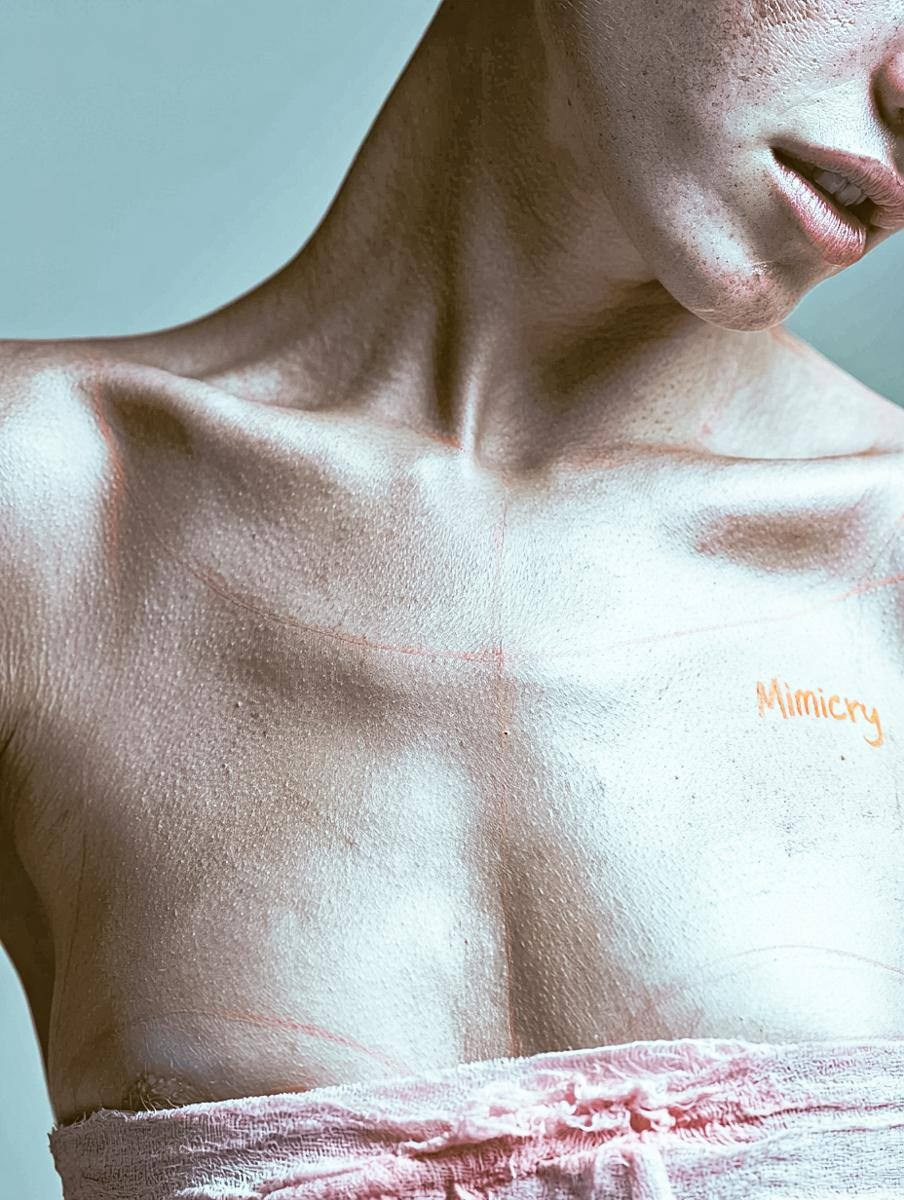
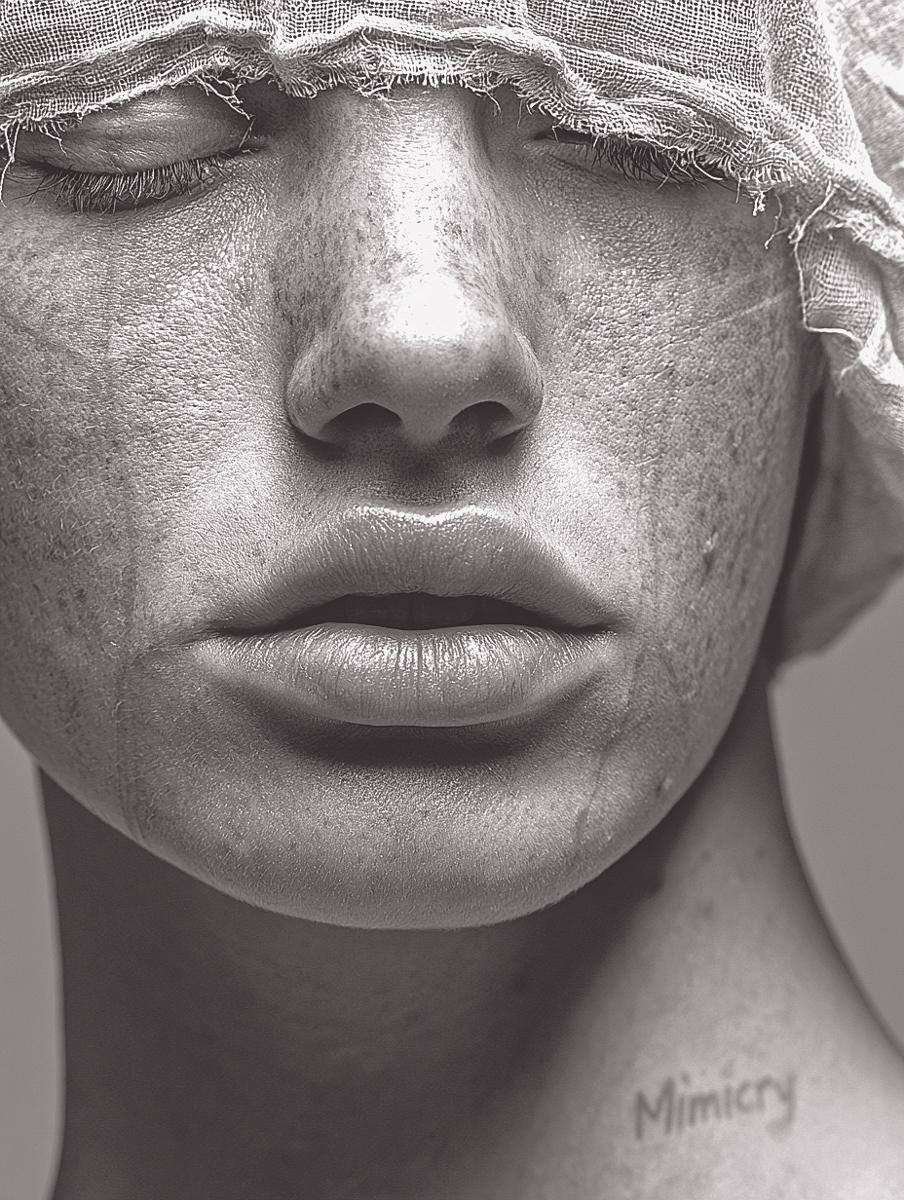
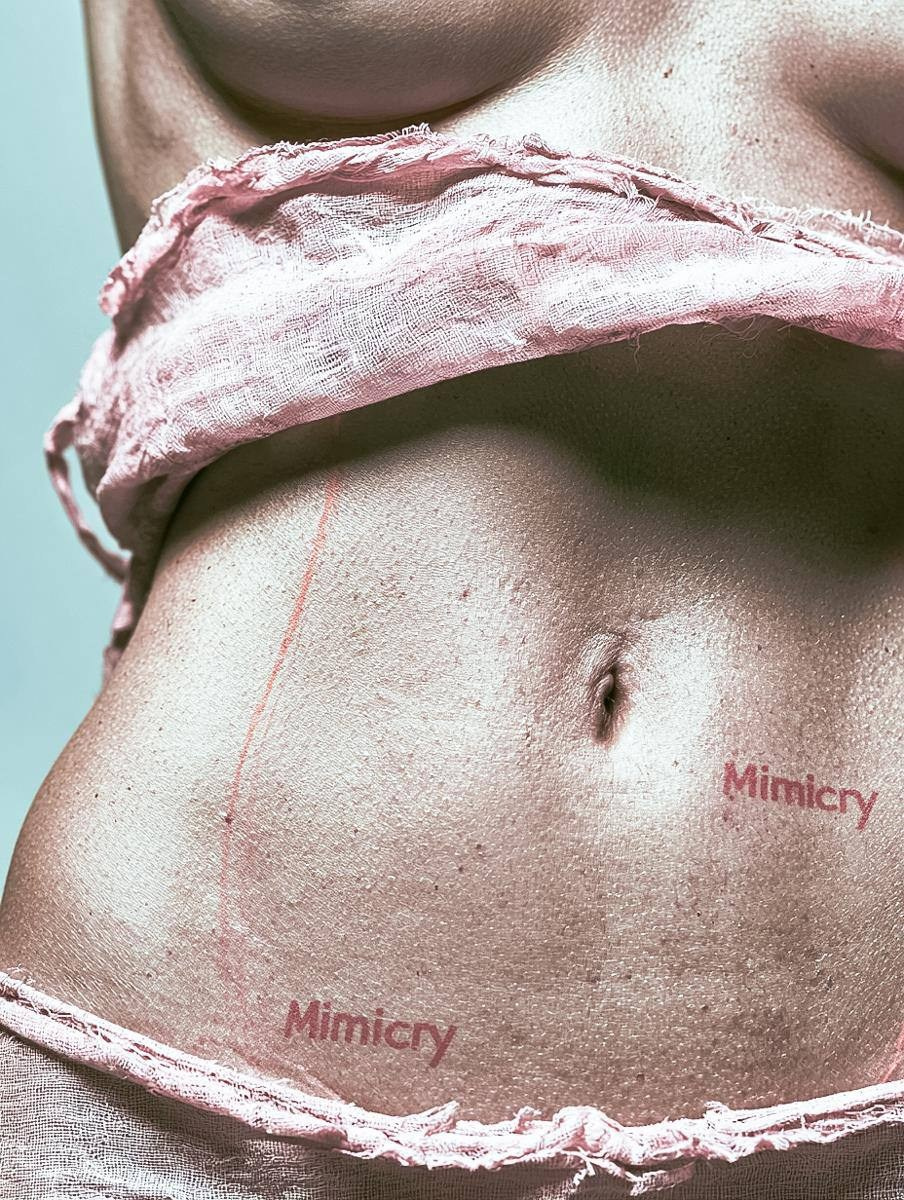
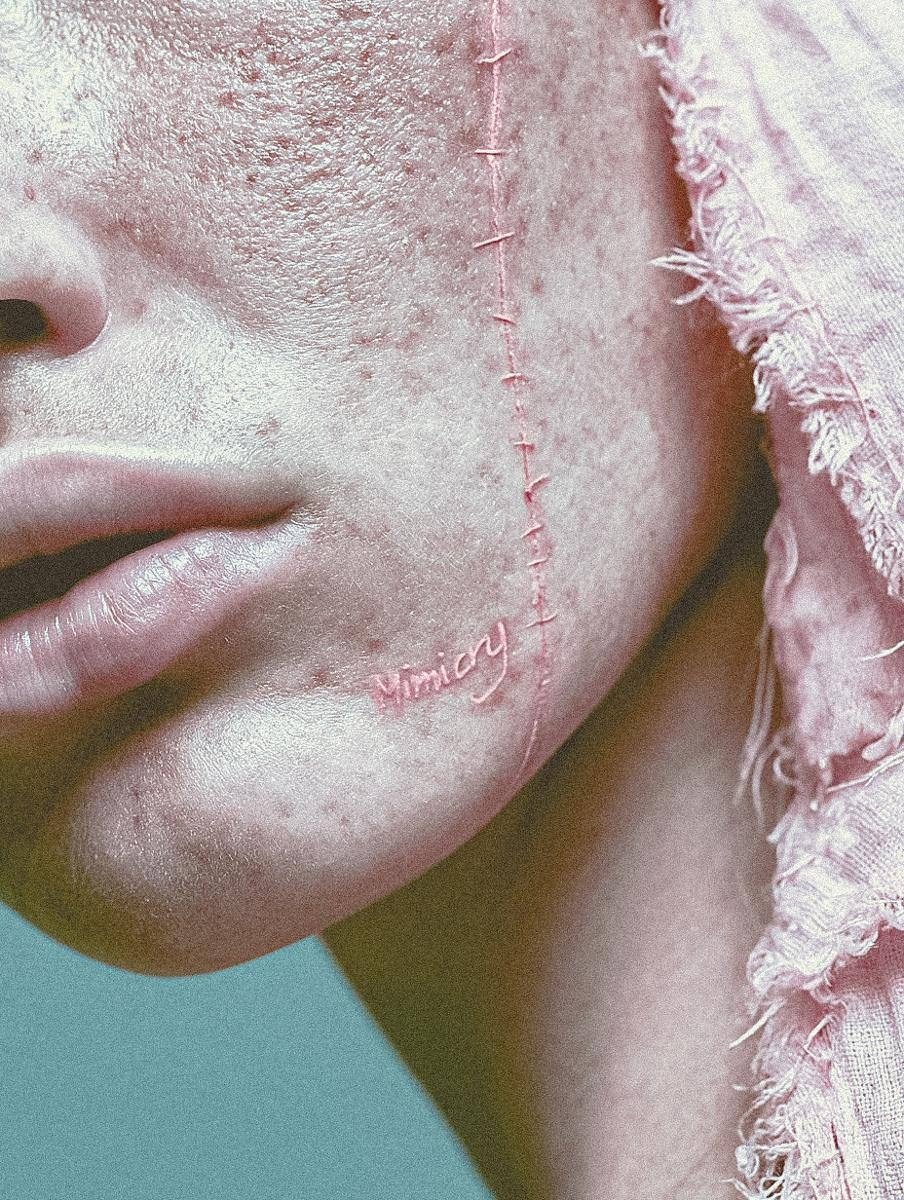
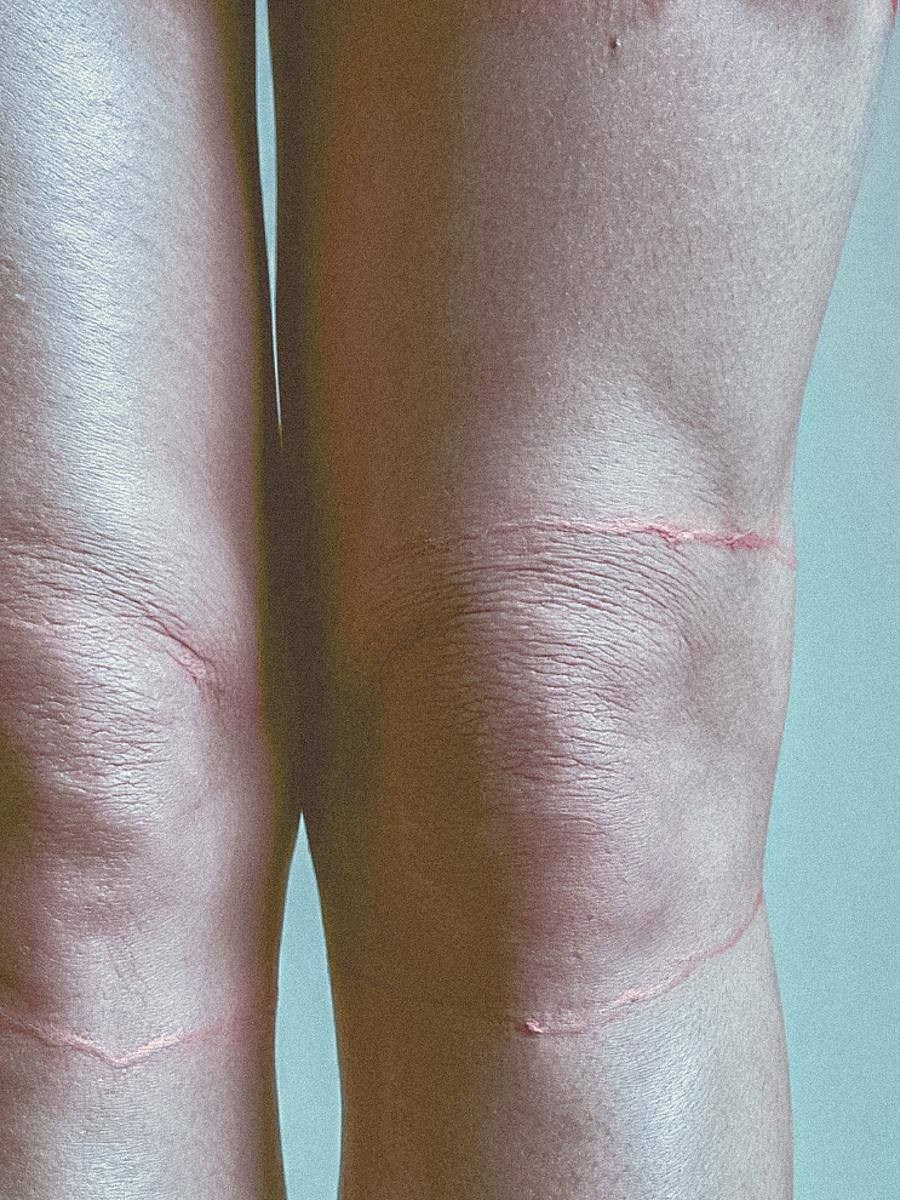
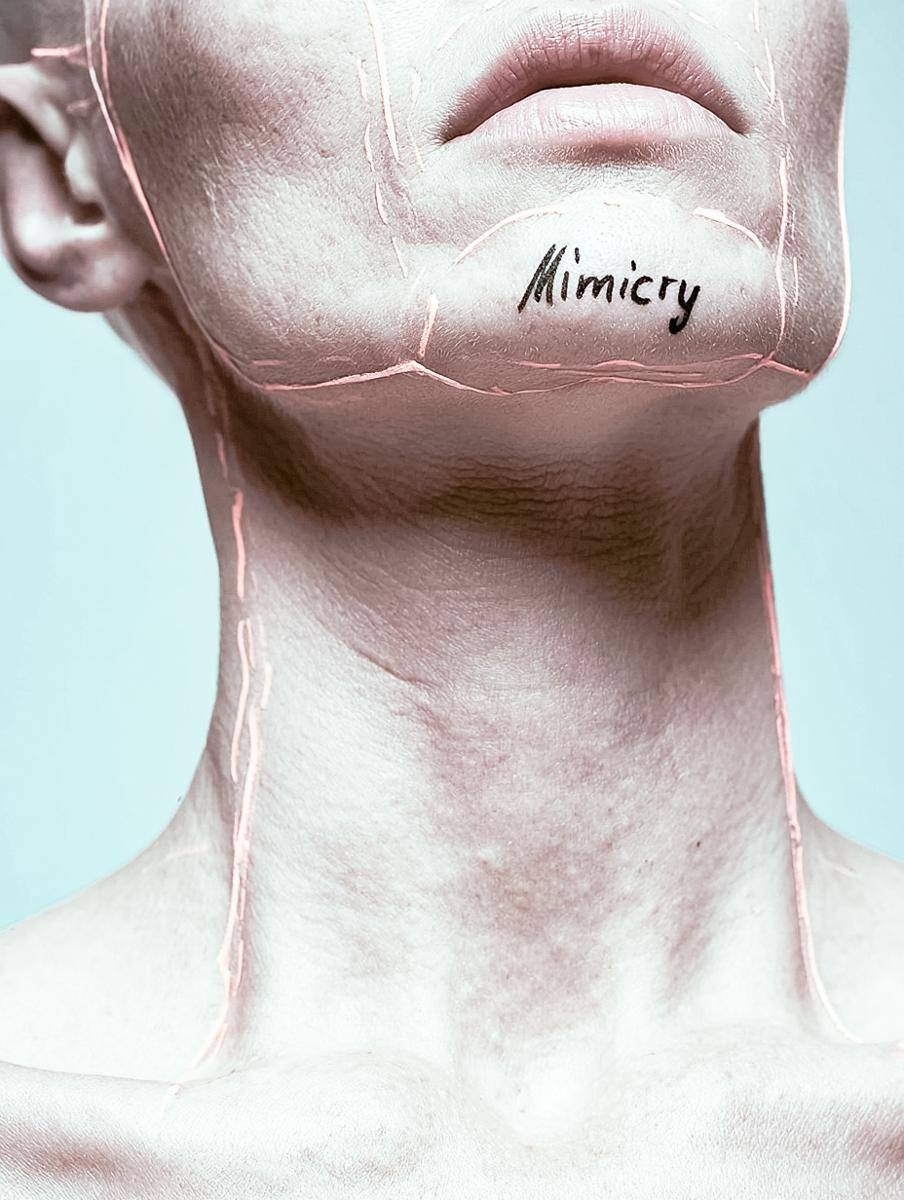
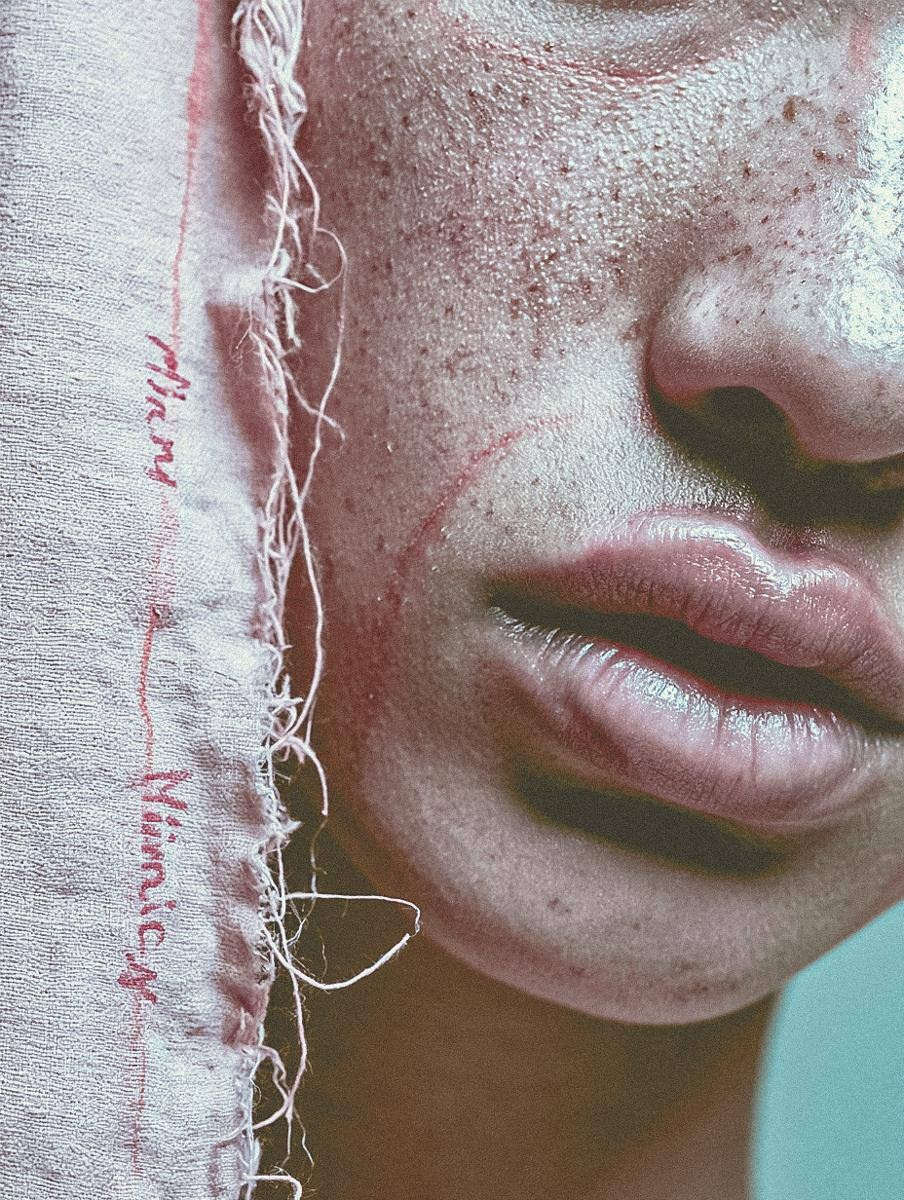
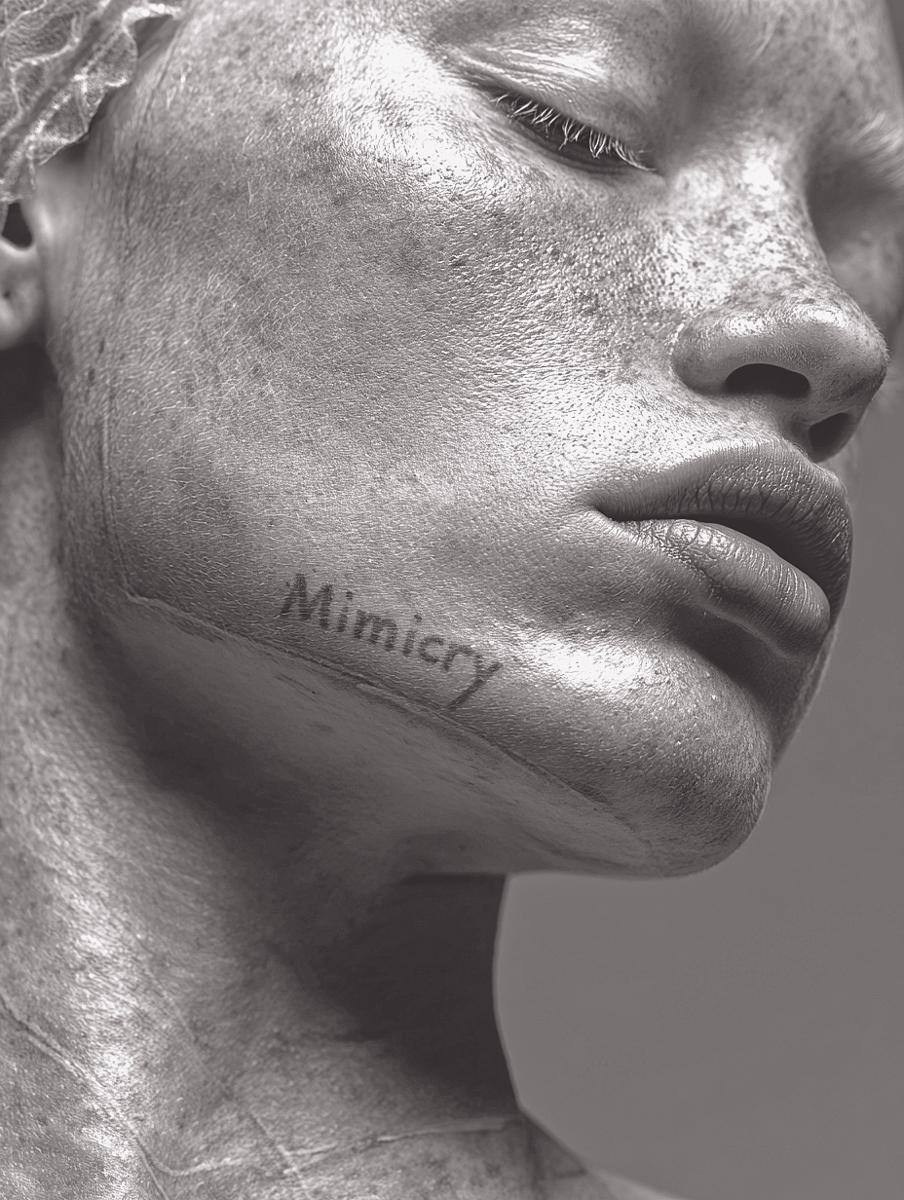
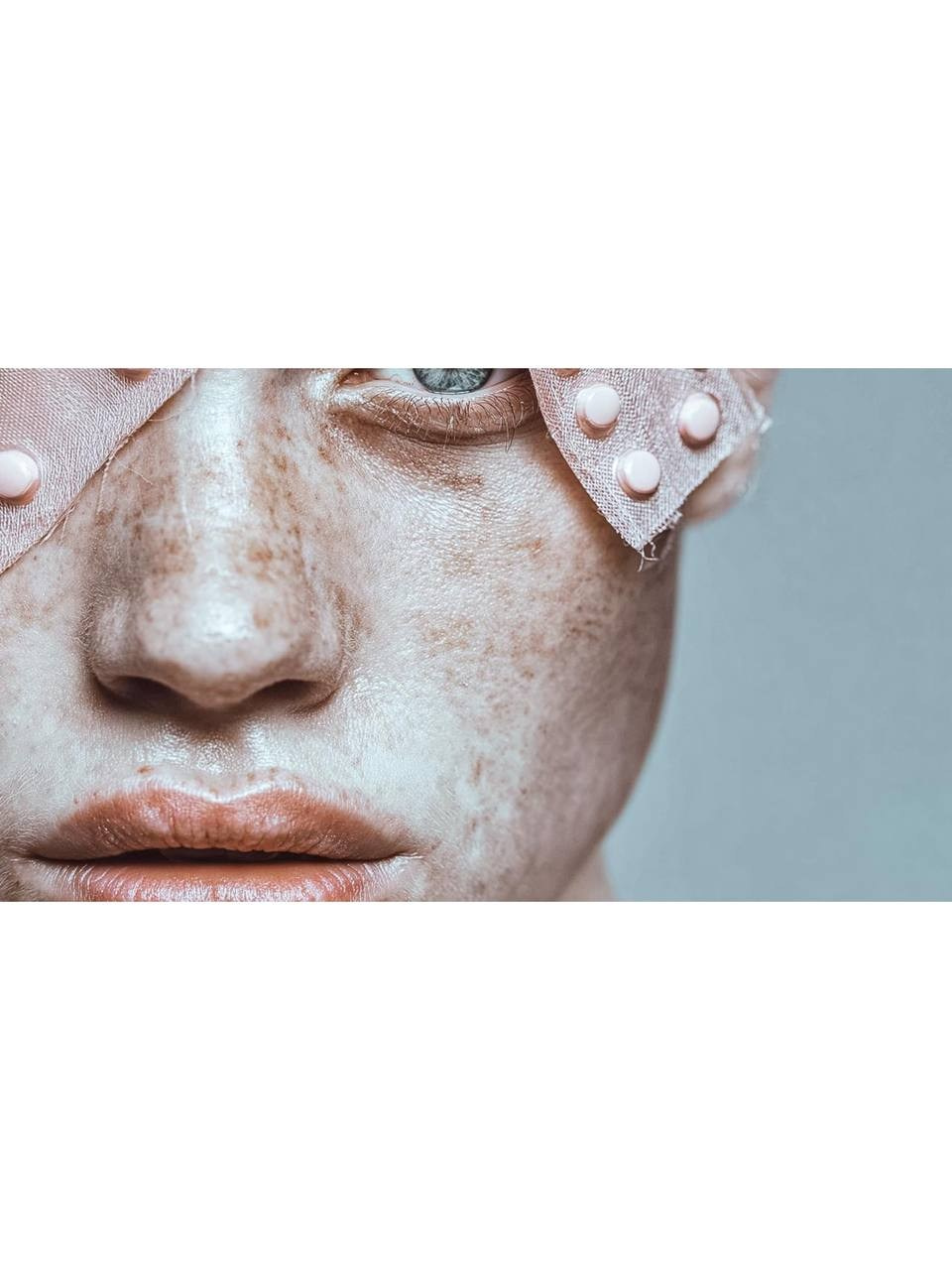
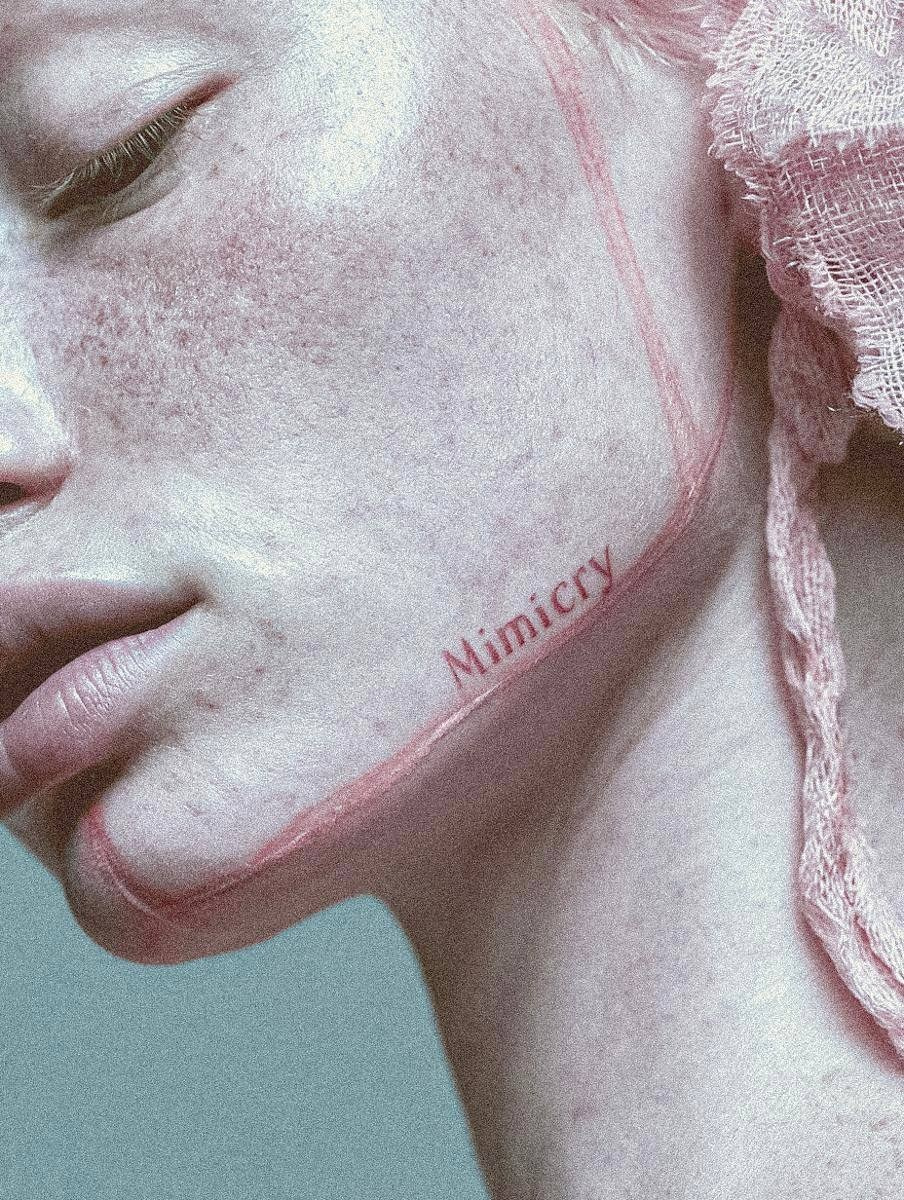
Mimicry is the ability of a living organism to alter its appearance in order to survive.This project considers contemporary beauty as a form of social mimicry.Beauty has never existed outside culture.We are accustomed to thinking that the pursuit of beauty is an entirely personal choice. Yet no choice emerges in isolation. It is preceded by the social gaze, the language of advertising, social media algorithms, and the industries of fashion, cosmetics, and plastic surgery. These systems do not simply respond to existing demand. They actively produce it.What is considered beautiful today was not necessarily beautiful yesterday, nor will it inevitably remain so tomorrow. Beauty standards shift alongside history, economics, and the market.The history of beauty is the history of changing demands placed upon the body. At different moments in time, women’s body hair has been regarded as either natural or unacceptable. Attitudes toward skin tone, facial features, and body proportions have also changed. The body itself did not change. The cultural meanings imposed upon it did.Only one thing remains constant: people are continually reminded that, at this very moment, they fall short of the ideal.This is how an industry emerges that thrives not on beauty itself, but on the feeling of personal inadequacy. It does not sell appearance. It sells the hope of one day becoming worthy of love, attention, and acceptance.The images in this series were intentionally created using artificial intelligence. AI is employed here not to imitate a human being, but to erase individuality, reducing the human body to a mechanism. It reproduces a gaze in which identity gives way to a set of editable parameters, and the human being is perceived as a machine requiring continuous modification and the next upgrade.This project does not question the right to alter one’s body.It questions something else.
What made us want to change it in the first place?